Probiotics and Weight Loss: What Actually Works
Quick Answer: Do Probiotics for Weight Loss Actually Work?
Some probiotic strains — notably Lactobacillus gasseri and, in early research, Akkermansia muciniphila — have produced small, measurable changes in body weight and abdominal fat in controlled trials. The effects are real but modest, strain-specific and dependent on continued use. Probiotics for weight loss are a minor assist, never a replacement for the diet and activity that do the real work.
- Strain, not species: the same species name can hide wildly different research. SBT2055 was studied, not “Lactobacillus gasseri” in the abstract.
- Modest scale: think roughly a kilogram over twelve weeks, not a transformation you can feel by Friday.
- Mechanism: gut bacteria nudge appetite hormones, fat storage and inflammation, but the levers they pull are small ones.
Every few months a new headline promises that the secret to a flatter stomach was hiding in your gut all along, and the probiotic aisle has learned to speak that language fluently. It is easy to walk out with a thirty-dollar bottle and a vague belief that bacteria are about to do the dieting for you. The truth about probiotics for weight loss is quieter and more useful than the marketing: a handful of specific strains have earned real trial data, the effects are small, and knowing which is which saves you money and disappointment. This page covers what has actually been measured, what has not, and where a formula like AlkaLean sits in relation to all of it.

What “probiotics for weight loss” actually means
A probiotic, by the working definition scientists use, is a live micro-organism that confers a health benefit when taken in an adequate amount. Two phrases in that sentence do a lot of quiet work — adequate amount and benefit — and both are measured for a particular strain in a particular study, not for the whole category. When someone asks whether probiotics help with weight, they are really asking whether the specific organisms in a specific product, at that product's dose, do anything measurable to body composition. That is a much narrower question than the shelf implies.
The most important idea on this entire page is the difference between a species and a strain. Species is the surname; strain is the individual. Escherichia coli includes both the harmless residents of a healthy gut and the ones that make headlines during outbreaks — same species, opposite behaviour. Probiotics work the same way. A trial that found an effect used a named strain, often written as a code such as SBT2055 or BNR17, at a stated cell count, in a stated format. A bottle that lists only “Lactobacillus gasseri” has borrowed the headline from that research and quietly left the evidence behind.
This is why comparison shopping here is so frustrating. Two products can carry the same species name and the same reassuring stock photo, yet behave completely differently in a body — because the strains, doses and delivery formats are not the same at all.
The strains with real human data
Only a short list of strains has been studied in humans for anything resembling weight or body composition, and it is worth knowing them by name so you can ignore everything else.
Lactobacillus gasseri. This is the best-documented story in the aisle, which is a low bar it nonetheless clears. Twelve-week randomised trials, mostly run in Japan and Korea, reported that the specific Lactobacillus gasseri strains studied for body composition — SBT2055 in fermented milk and BNR17 in capsules — were associated with modest reductions in abdominal fat area measured on CT scans, plus body-weight differences of roughly a kilogram. Real signal, small size, and mostly funded by the companies that owned the strains.
Akkermansia muciniphila. This one is genuinely interesting and genuinely early. Akkermansia lives in the gut's mucus layer and is more abundant in leaner people, which prompted a small human pilot trial using a pasteurised form. Participants saw improvements in some metabolic markers, generating a wave of excitement. It remains a single small study, and you can read what is currently known about Akkermansia muciniphila before assuming a supplement version reproduces it.
Multi-strain blends. Pooled analyses of mixed probiotic products for body weight tend to report small, inconsistent effects, with statistical hints that trials finding nothing simply never got published. When the average across many strains hovers near zero, a striking claim from one product deserves scepticism until it is repeated by someone who is not selling it.
Everything else — the “women's” and “men's” formulas, the metabolism blends, the ten-strain mega-bottles — is generally the same handful of organisms in different packaging, priced by how confident the label sounds rather than by what the strains have proven.
How the gut microbiome influences appetite and fat storage
The mechanism is real, which is what makes the marketing so tempting. Gut bacteria are not passive passengers: they ferment the fibre you cannot digest into short-chain fatty acids such as butyrate, and those compounds signal to the cells that release appetite hormones like GLP-1 and PYY — the same satiety machinery the newest weight medicines target from a different direction. A microbiome rich in fibre-fermenting species produces more of these signals, one plausible route by which gut health and appetite are linked.
Gut bacteria also influence how efficiently you extract calories, how much low-grade inflammation you carry, and how well the gut lining holds its barrier. Each has a defensible link to body weight. The catch is the size of the lever: a mechanism being real is not the same as a supplement being able to move it. Swallowing a few billion cells of one strain does not rebuild an ecosystem of trillions, nor override what you eat — because what you eat is what feeds the bacteria in the first place. It is why the researchers closest to this field talk about fibre and whole foods before they talk about capsules.
Weighing up your options in the weight-management aisle?
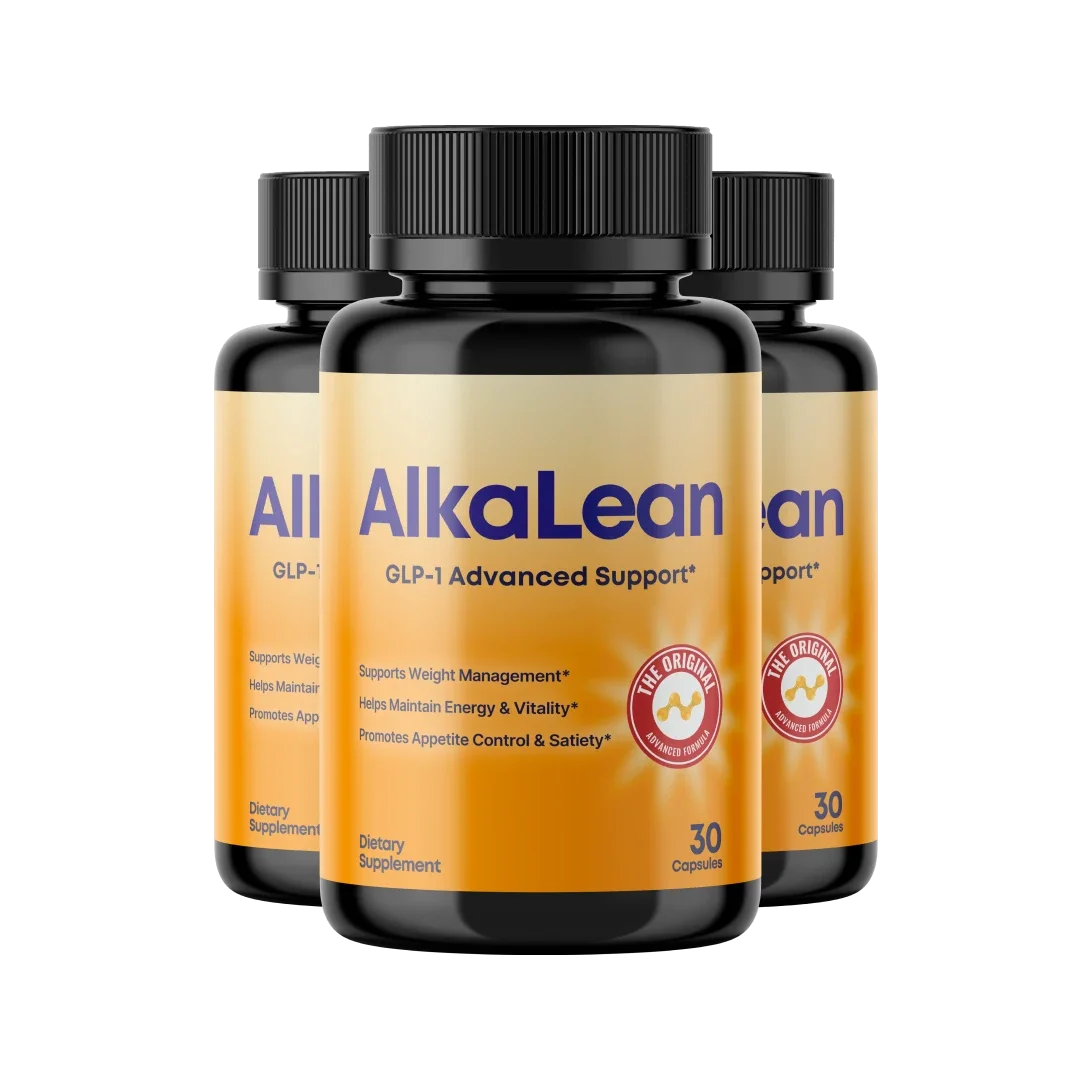
AlkaLean is an apple cider vinegar and BHB formula rather than a probiotic. The official store page shows the current AlkaLean price, the single-bottle option and the 60-day money-back terms so you can compare on the facts.
Get Offer
Three myths worth clearing up
Objections and half-truths cluster around this topic, so here are the three that cost people the most.
“More strains and higher CFU counts are always better.” This is the most expensive myth in the category. A fifty-billion, ten-strain bottle is not automatically stronger than a product delivering the exact strain and dose that was trialled. What matters is whether the count is guaranteed at expiry — not at manufacture — because live cells die on a warm shelf, and a bigger number of the wrong strains still does nothing for weight.
“If it is natural, it cannot hurt or interact.” Probiotics are well tolerated by most healthy adults, with mild bloating in the first week the usual complaint. But live micro-organisms are not a casual decision for everyone. People who are immunocompromised, critically ill, fitted with a central venous line, or pregnant and nursing should check with a clinician first, because the safety record for healthy adults does not automatically extend to those situations.
“The results are permanent once the bacteria settle in.” They mostly do not settle in. The strains sold as probiotics rarely colonise the gut long term; they pass through. In trials that kept measuring after people stopped, the body-composition numbers drifted back toward baseline within weeks. Any benefit appears to depend on continuing to take — and pay for — the product, worth factoring in before you commit to a subscription.
How long probiotics take to work
Two different clocks are running here, and mixing them up leads to disappointment. The digestive clock is fast: reduced bloating, more regular habits and a settled stomach can appear within one to two weeks, and that is often what makes people feel a probiotic is “working.” The body-composition clock is slow. The trials that reported any change in fat or weight ran for a full twelve weeks, and most measured little of interest at the six-week midpoint.
If you are trying a probiotic for weight-related reasons, the honest protocol is to give it about three months, judge it by your waist rather than a single number on the scale, and keep expectations proportional to a kilogram. If nothing has shifted in that window on a named, correctly dosed strain, no amount of extra patience changes that.
A supplement that works small and honestly is a reasonable purchase. A supplement that works small and is sold as though it works large is the problem — regardless of the science behind it.
How to choose a probiotic worth the money
Searches for the best probiotic for weight loss return a wall of near-identical bottles, so here is a filter that removes most of them in under a minute. Look for a full strain designation, such as SBT2055 or BNR17, not just a genus and species. Look for a cell count guaranteed at the end of shelf life rather than at manufacture. Look for a dose that matches what was actually studied instead of a number chosen because it is impressively large. Prefer a short, fully disclosed formula over a proprietary blend that hides the amount of every strain behind one combined figure.
Two more signals separate the serious products from the rest. Third-party testing tells you the contents match the label, which is not a given in a category built on organisms you cannot see. And storage instructions are a tell: a product silent about heat or moisture is either unusually stable or unusually unbothered about whether its cells arrive alive. Read the supplement panel, not the front of the box, and the marketing loses most of its power over you.
| Approach | Typical study length | Typical scale of difference | Strength of evidence |
|---|---|---|---|
| L. gasseri (SBT2055 / BNR17) | 12 weeks | Around a kilogram; a few percent of abdominal fat area | Small randomised trials, mostly strain-owner funded |
| Akkermansia muciniphila | 12 weeks (pilot) | Metabolic markers moved; body weight little changed | A single small human pilot study |
| Multi-strain probiotic blends | 8–12 weeks | Small and inconsistent between studies | Pooled analyses heterogeneous; publication bias likely |
| Structured diet and activity programme | 6–12 months | In the region of 5–7% of body weight | Large, long-running, publicly funded trials |
| Clinician-prescribed weight medicines | 12 months or more | Substantially larger than any of the above | Large phase 3 programmes; medical supervision required |
Where AlkaLean fits — honestly
Here is the line we refuse to blur: AlkaLean is not a probiotic. It is a once-daily weight-management formula built on apple cider vinegar and BHB salts, and its label does not list live cultures, named probiotic strains or a colony-forming-unit count. If a specific probiotic strain is what you are after, this is not the product, and no amount of adjacent gut-health language on any page changes that fact.
There is one honest point of overlap. Apple cider vinegar is itself a fermented ingredient, and the acetic acid it contains has its own small, separate body of research on appetite and post-meal blood sugar — a different lane from live probiotics, but a gut-adjacent one. A splash of fermented vinegar is not the same as delivering the exact strains studied for body composition, though. AlkaLean also publishes no milligram figure for its named ingredients, which makes a like-for-like comparison against a dosed probiotic genuinely hard, and we would rather write that down than paper over it: state what is measured, state what is not, and let you decide.
The bottom line
Probiotics for weight loss are real at the margins and oversold at the checkout. A few named strains have moved abdominal fat and body weight by small amounts in twelve-week trials; the gut genuinely does influence appetite and fat storage; and none of that turns a capsule into a shortcut around diet and activity. If you try one, buy a named strain at a guaranteed count, give it three months and measure your waist. And if you are comparing it against a non-probiotic formula like AlkaLean, compare on what each one actually puts on the label — not on which stock photo looks friendliest.
Medical note: this article is general wellness information, not medical advice, and it summarises published evidence rather than making a product claim. Dietary supplements are not drugs and are not intended to diagnose, treat, cure or prevent any disease. Speak to a healthcare professional before starting any supplement, particularly if you are pregnant, nursing, immunocompromised or taking medication.
Frequently asked questions
Do probiotics help you lose weight?
Some probiotic strains have produced small, measurable weight and abdominal-fat differences in controlled trials, so the honest answer is a qualified yes at the margins. The effects are modest, usually around a kilogram over twelve weeks, they are specific to particular strains rather than probiotics in general, and they tend to fade once you stop. No probiotic replaces the diet and activity that do the heavy lifting, and none may claim to treat obesity.
Which probiotic strains are best for weight loss?
The strains with the most human data behind them are Lactobacillus gasseri SBT2055 and BNR17, both studied for abdominal fat over twelve weeks, and Akkermansia muciniphila, which showed early promise in a small pilot trial using a pasteurised form. The evidence attaches to those specific named strains and doses, not to any bottle labelled simply Lactobacillus or probiotic. A generic multi-strain blend without strain designations tells you almost nothing about whether it matches what was tested.
How long do probiotics take to work?
Digestive changes such as reduced bloating can show up within one to two weeks, but the body-composition trials that reported anything ran for a full twelve weeks and saw little at the halfway point. If you are trying a probiotic for weight-related reasons, judge it over about three months rather than three weeks, measure your waist rather than only the scale, and remember that the reported effects were small even after the full course.
What probiotic support does AlkaLean provide?
AlkaLean is not a probiotic supplement and we will not blur that line. It is a once-daily formula built on apple cider vinegar and BHB salts, and it does not list live cultures, named probiotic strains or a colony-forming-unit count on its label. Apple cider vinegar is a fermented ingredient with its own separate research, but that is not the same as delivering the specific strains studied for body composition. If a probiotic strain is what you specifically want, AlkaLean is not that product.
References
- Borgeraas H, et al. — Effects of probiotics on body weight, body mass index, fat mass and fat percentage in subjects with overweight or obesity: a systematic review and meta-analysis of randomized controlled trials (Obes Rev, 2018)
- NIH Office of Dietary Supplements — Dietary Supplements for Weight Loss
- Harvard Health Publishing — Should you take probiotics?
- Mayo Clinic — Weight loss: strategies for success
- NIH NIDDK — Weight management
Related reading
- Lactobacillus gasseri and body composition: the real trial data
- Akkermansia muciniphila: what is actually known
- Saccharomyces boulardii: the yeast probiotic, explained
- Natural GLP-1 boosting foods that support appetite control
See the current AlkaLean offer
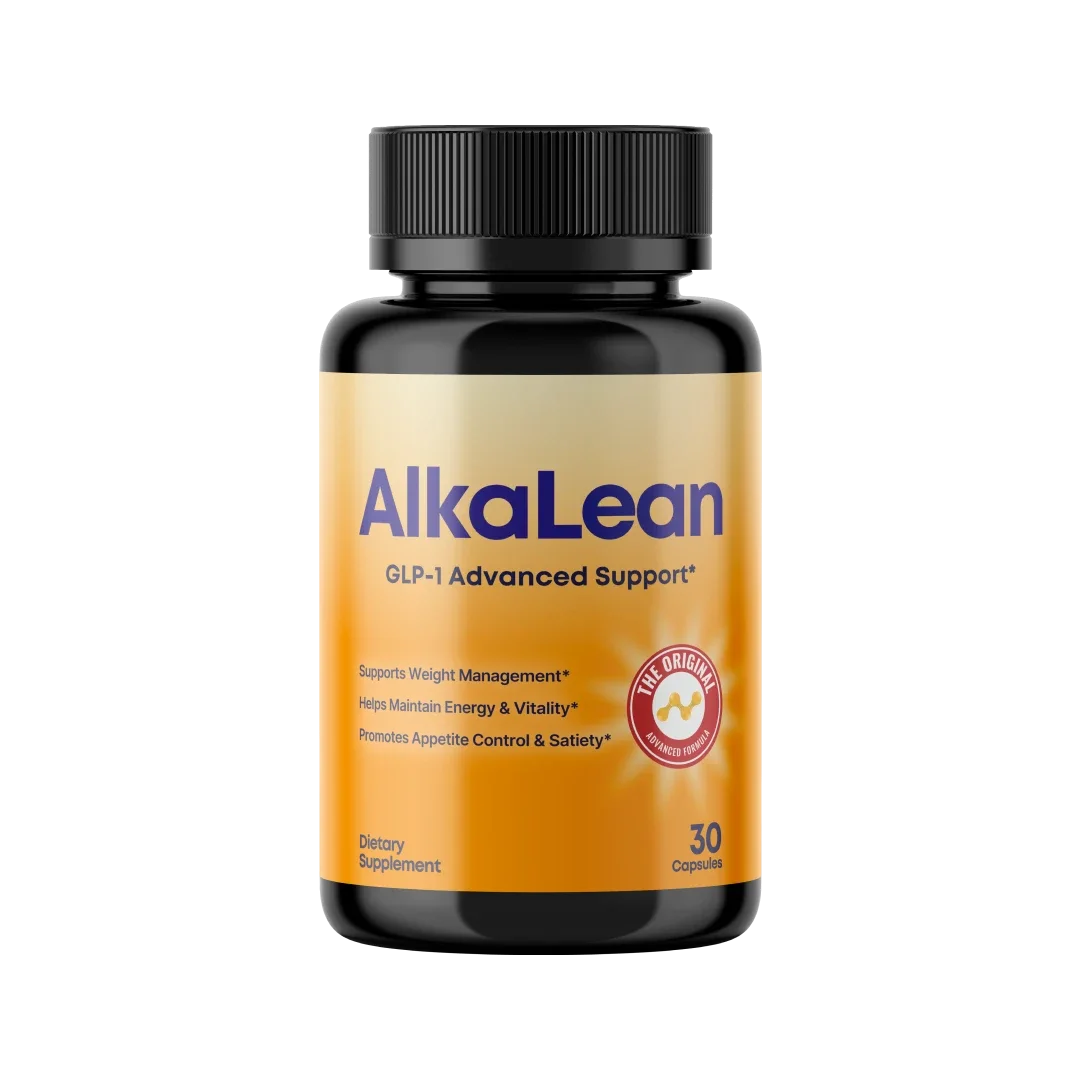
A single-bottle tier is the cheapest way to find out whether a daily formula suits you before committing to a bundle. Pricing and the 60-day money-back terms are on the official store page.
Get Offer