Saccharomyces Boulardii: The Yeast Probiotic, and Gut Health Supplements After Antibiotics
Quick Answer: What Is Saccharomyces Boulardii?
Saccharomyces boulardii is a yeast used as a probiotic rather than a bacterium, which is the whole reason it turns up in so many gut health supplements after antibiotics: antibacterial medicines have no effect on yeast, so it does not have to be spaced hours away from a dose the way bacterial strains do. It does not colonise the gut — studies that looked for it found it cleared within days of the last capsule — so anything it does depends on continuing to take it. It is not suitable for people who are immunocompromised, seriously unwell in hospital, or fitted with a central venous line.
- What it is: a strain of Saccharomyces cerevisiae, isolated in the 1920s from tropical fruit skins.
- Why the yeast part matters: antibacterial antibiotics do not touch it, so timing around doses is not the puzzle it is for bacteria.
- Who should not take it: anyone immunocompromised, critically ill or with a central line — there are documented bloodstream case reports.
Almost everything sold as a probiotic is bacterial. This one is not, and that single fact drives its dosing, its practical appeal, its safety profile and most of the confusion around it. Worth understanding properly before deciding whether it belongs in your cupboard.
A yeast, not a bacterium
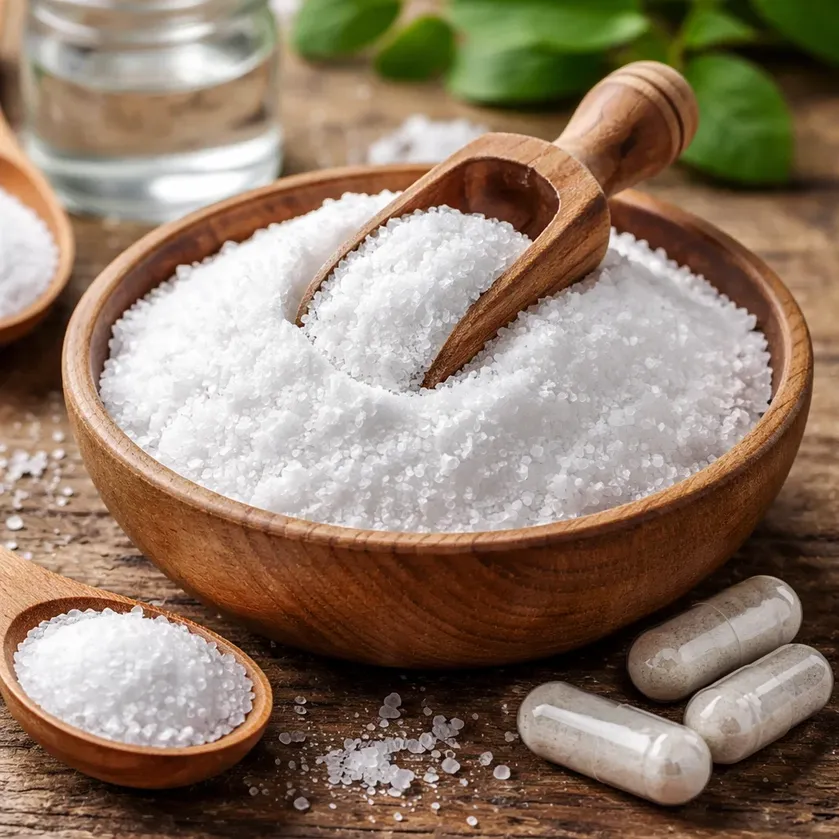
Genetically, Saccharomyces boulardii is so close to ordinary brewer's and baker's yeast that taxonomists generally classify it as a variety of Saccharomyces cerevisiae rather than a separate species. It behaves differently, though. It grows best at around body temperature rather than the cooler optimum of a brewing yeast, which is precisely the trait that makes it viable in a human gut.
The origin story, as it is usually told, belongs to the French microbiologist Henri Boulard, who was in Indochina in the 1920s during a cholera outbreak and noticed local people chewing the skins of lychee and mangosteen. He isolated a yeast from the fruit skins and it carries his name. Whether the anecdote is exact in every detail, the isolate itself is real, has been in continuous use for a century and is the ancestor of the pharmaceutical preparation still studied today.
That century of use is worth weighing. Most ingredients in the supplement aisle have a decade of data at best. This one has a long clinical track record, a well-characterised type strain and manufacturing that is comparatively straightforward, since yeast is far more robust in a capsule than an oxygen-sensitive gut anaerobe.
Why the yeast part matters when antibiotics are involved
Antibiotics are, by design, antibacterial. They work on bacterial cell walls, bacterial ribosomes, bacterial enzymes. Yeast is a fungus, a eukaryote, built on a different plan entirely, so amoxicillin has no more effect on it than it does on you.
The practical consequence is the reason this organism keeps appearing in gut health supplements after antibiotics. When people take a bacterial probiotic during a course, the standard advice is to separate the two by a couple of hours so the antibiotic is not busy killing the thing you just swallowed — advice that is easy to forget and impossible to follow well with a four-times-daily prescription. With a yeast, the timing problem disappears.
One inversion of the rule matters. Antifungal medicines do act on yeast, so anyone taking one should assume this product will be inactivated and should be talking to a prescriber rather than reading a supplement page.
What the research literature actually covers
Here is where care is required, because the clinical research on this yeast concerns medical situations, and a dietary supplement may not claim to treat or prevent any of them. Nor will we. What follows describes what researchers have measured, in specific preparations and specific settings. It is not a claim about anything you can buy on a website, including anything sold here.
The bulk of the published work looks at diarrhoea associated with antibiotic courses, at traveller's diarrhoea, and at the yeast used alongside standard regimens for Helicobacter pylori. Pooled analyses of these trials have generally reported lower rates in the groups receiving the yeast than in control groups, and this is one of the larger and more consistent evidence bases in the whole probiotic field — which is a comparative statement, not a strong one. Trial quality varies, many studies are small, industry funding is common, and pooling studies of different doses and different patients hides more variation than it reveals.
Two details get lost in the retelling. Most of that research used a specific pharmaceutical-grade preparation, prepared and counted to a standard, not an unnamed capsule from a shelf. And most was carried out in clinical settings with medical supervision, in patients, for a defined period. Neither of those conditions is met when someone buys a bottle online because a search suggested the best gut health supplement after antibiotics.
Research done in patients, under supervision, with a defined preparation does not automatically transfer to a healthy person buying an unnamed strain online. That gap is where most supplement marketing lives.
Here for the AlkaLean offer instead?
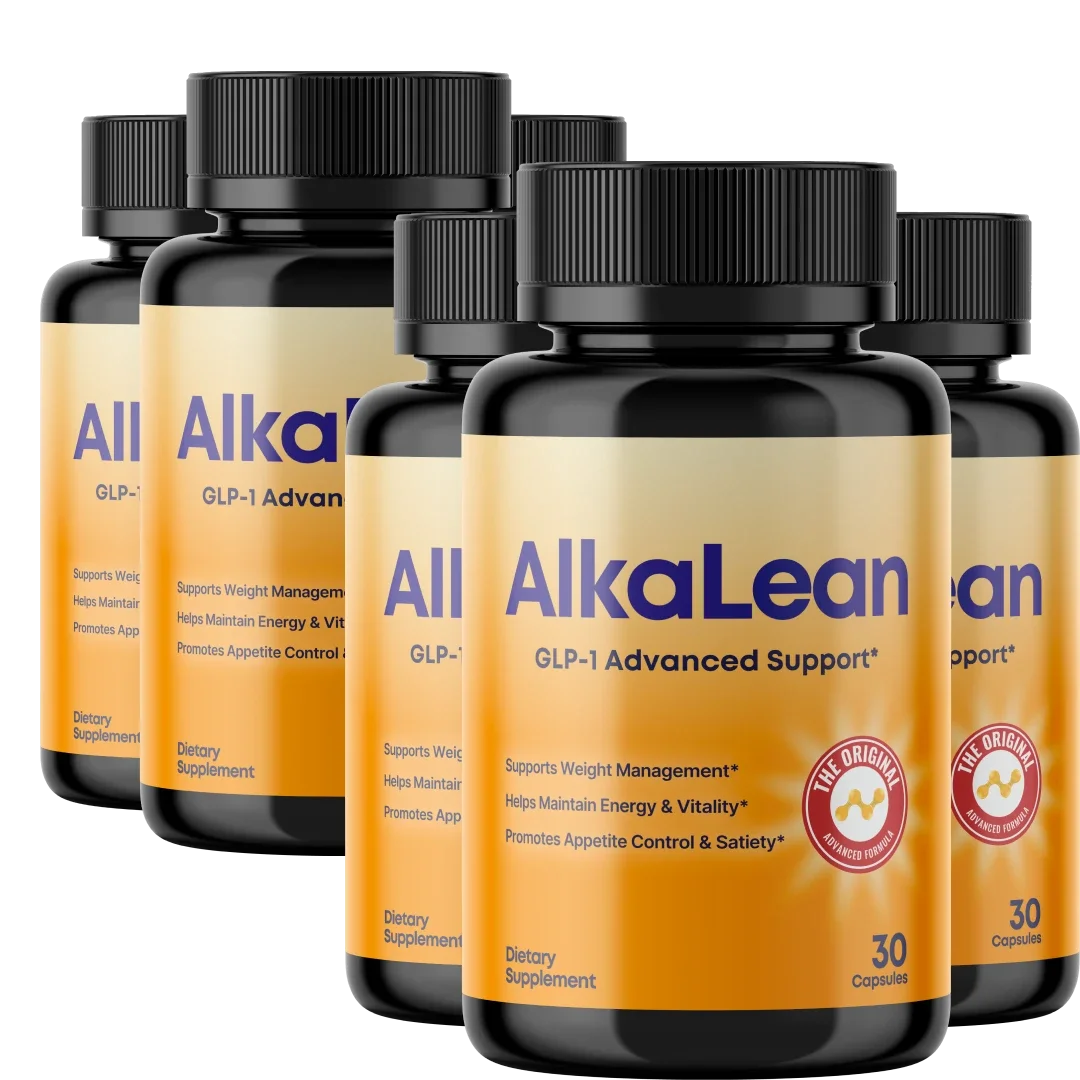
AlkaLean is an apple cider vinegar and BHB formula, not a probiotic and not a yeast. If you came in from a search for where to buy keto gummies, the official store page carries the current pricing and the 60-day money-back terms.
Get OfferHow gut health supplements after antibiotics are actually dosed
Dosing is where labels get slippery. Published trials have generally used 250 mg to 500 mg of freeze-dried yeast once or twice daily. Supplement labels, though, sometimes state milligrams and sometimes state colony-forming units, and the two units are not interchangeable — a milligram figure describes mass, a CFU figure describes how many cells were capable of growing when counted. A product that gives one but not the other has made comparison deliberately harder.
Three more label points. Ask for the strain, not just the species. Ask whether the count is guaranteed at expiry or measured at manufacture, because a warm warehouse is where the difference shows up. And read the storage line: freeze-dried yeast tolerates room temperature better than most bacterial probiotics, but heat and moisture still kill it, which is why stirring a sachet into a hot drink is a waste of a sachet.
| Property | S. boulardii (yeast) | Bacterial strains (e.g. lactobacilli) | Fermented foods |
|---|---|---|---|
| Affected by antibacterial antibiotics | No | Yes — usually spaced from doses | Yes, for the live cultures present |
| Colonises long term | No — cleared within days of stopping | Rarely; mostly transient | No; transient |
| Usual dose unit | Milligrams of freeze-dried yeast, or CFU | CFU, ideally guaranteed at expiry | Not declared |
| Storage | Room temperature usually acceptable; heat and moisture damage it | Often refrigerated | Refrigerated |
| Evidence base | Comparatively large for a probiotic; quality mixed | Strain-by-strain; very uneven | Growing, mostly on diversity markers |
| Main safety caution | Bloodstream case reports in critically ill and catheterised patients | Similar cautions in immunocompromised patients | Few, in healthy adults |
What actually restores a microbiome after a course
A course of broad-spectrum antibiotics measurably reduces the diversity of the gut community, and the recovery is slower than most people expect — described in the literature in weeks to months, with some species not reappearing at all. It is a real disruption, and the wish to do something about it is reasonable.
What that something should be is less obvious than the marketing suggests. A widely discussed study found that giving a multi-strain probiotic after antibiotics actually delayed the return of the native gut community compared with letting it recover on its own, while an autologous transplant of the person's own pre-antibiotic stool restored it fastest. One study does not settle a field, but it should permanently retire the assumption that adding more organisms is automatically helpful.
The unglamorous levers have better support: time, a varied high-fibre diet that feeds whatever survived, and regular fermented foods. Those are also the levers behind most of what people are looking for when they search for the best gut health supplement for bloating in the weeks after a course, and they cost nothing beyond a shopping list.
What this cannot do — and who should avoid it
Start with the claims. A dietary supplement containing this yeast cannot diagnose, treat, cure or prevent any condition, and nothing above should be read as saying it does. Describing published clinical research is not the same as making a product claim, and the difference matters both legally and practically.
Then the safety limits, which are more specific than for most probiotics. There are documented case reports of Saccharomyces entering the bloodstream in seriously ill hospital patients, most often those with central venous catheters, including instances where opening sachets nearby appeared to be enough. Anyone who is immunocompromised, receiving chemotherapy, critically unwell or fitted with a central line should not take it without a clinician's say-so. Anyone on antifungal medicine should assume it will not work.
Two more honest limits. It does not colonise, so no product containing it can accurately be described as rebuilding or repopulating your microbiome — it is a passenger, cleared within days. And in healthy people with no particular problem, there is very little evidence that taking it daily does anything at all. The research base was built in patients with a specific issue, not in well people topping up.

Where AlkaLean fits — honestly
It does not contain this yeast, or any other probiotic organism. AlkaLean is a once-daily weight-management formula built on apple cider vinegar and BHB salts, and if a probiotic is what you came looking for, this is not it. Saying so costs us a sale and keeps the page honest, which is the trade we would rather make. If you arrived here from the weight-loss side of the aisle, start with what probiotics actually do for weight loss, then compare the trial records for Lactobacillus gasseri and Akkermansia muciniphila.
The only genuine overlap is fermentation. Apple cider vinegar is the product of a two-stage fermentation, and the reason it sits in the same conversation as gut health is cultural adjacency rather than shared mechanism. Vinegar is not a probiotic, and any page that implies otherwise is stretching. Worth adding, as on every page here, that the AlkaLean label publishes no milligram figure for any of its named ingredients, which is a real limitation when comparing it with a dosed product.
The bottom line
Saccharomyces boulardii is the unusual member of the probiotic aisle: a yeast, unaffected by antibacterial antibiotics, with a century of use and one of the larger clinical evidence bases in the category. It is also a transient passenger that does not rebuild anything, its research was done in patients rather than in healthy shoppers, and it carries real cautions for people who are immunocompromised or seriously unwell. If you are taking a course of antibiotics and wondering about it, the useful conversation is with the pharmacist handing you the prescription, not with a product page.
Medical note: this article is general wellness information, not medical advice, and it summarises published evidence rather than making a product claim. Dietary supplements are not drugs and are not intended to diagnose, treat, cure or prevent any disease. Never stop or alter a prescribed antibiotic on the basis of a web page, and speak to a healthcare professional before starting any supplement, particularly if you are pregnant, nursing, immunocompromised or taking medication.
Frequently asked questions
Can you take Saccharomyces boulardii at the same time as antibiotics?
Yes, because it is a yeast and antibacterial antibiotics do not act on yeast. That is the practical reason it is chosen so often. Bacterial probiotics are usually spaced a couple of hours away from an antibiotic dose to give the cells a chance, but that timing rule does not apply here. The exception is antifungal medicine, which does act on yeast and would be expected to inactivate it.
How much Saccharomyces boulardii is a normal dose?
Published trials have generally used 250 mg to 500 mg of freeze-dried yeast once or twice a day. Labels state the amount either in milligrams or in colony-forming units, and the two are not interchangeable, so compare like with like. If a product gives only a proprietary blend total with no per-organism figure, you cannot tell what you are buying.
Who should not take Saccharomyces boulardii?
Anyone who is immunocompromised, seriously unwell in hospital, or fitted with a central venous catheter should not take it without medical advice. There are documented case reports of the yeast entering the bloodstream in those situations. Pregnancy, nursing, and any current antifungal treatment are also reasons to ask a clinician first rather than deciding from a product page.
Does Saccharomyces boulardii stay in the gut once you stop?
No. It does not colonise. Studies that measured its presence in stool found it cleared within a few days of the last dose. Anything it does depends on taking it, which is useful to know before buying a large supply, and it means it cannot be described as rebuilding or repopulating a microbiome.
References
- Nardone GP, et al. — Managing Gut Dysbiosis: Clinical Evidence and Perspectives on Saccharomyces boulardii CNCM I-745 for Diarrhoeal Conditions in Adults and Children (Microorganisms, 2026)
- NIH National Center for Complementary and Integrative Health — Probiotics: What You Need To Know
- Harvard Health Publishing — Health benefits of taking probiotics
- Mayo Clinic — Antibiotics: are you misusing them?
- Dong Z, et al. — Saccharomyces boulardii as a probiotic yeast in food applications and its health properties: a review and future perspectives (Front Nutr, 2026)
Related reading
- Akkermansia muciniphila: what is known about this microbe
- The single-bottle option, and when to use it
See the current AlkaLean offer
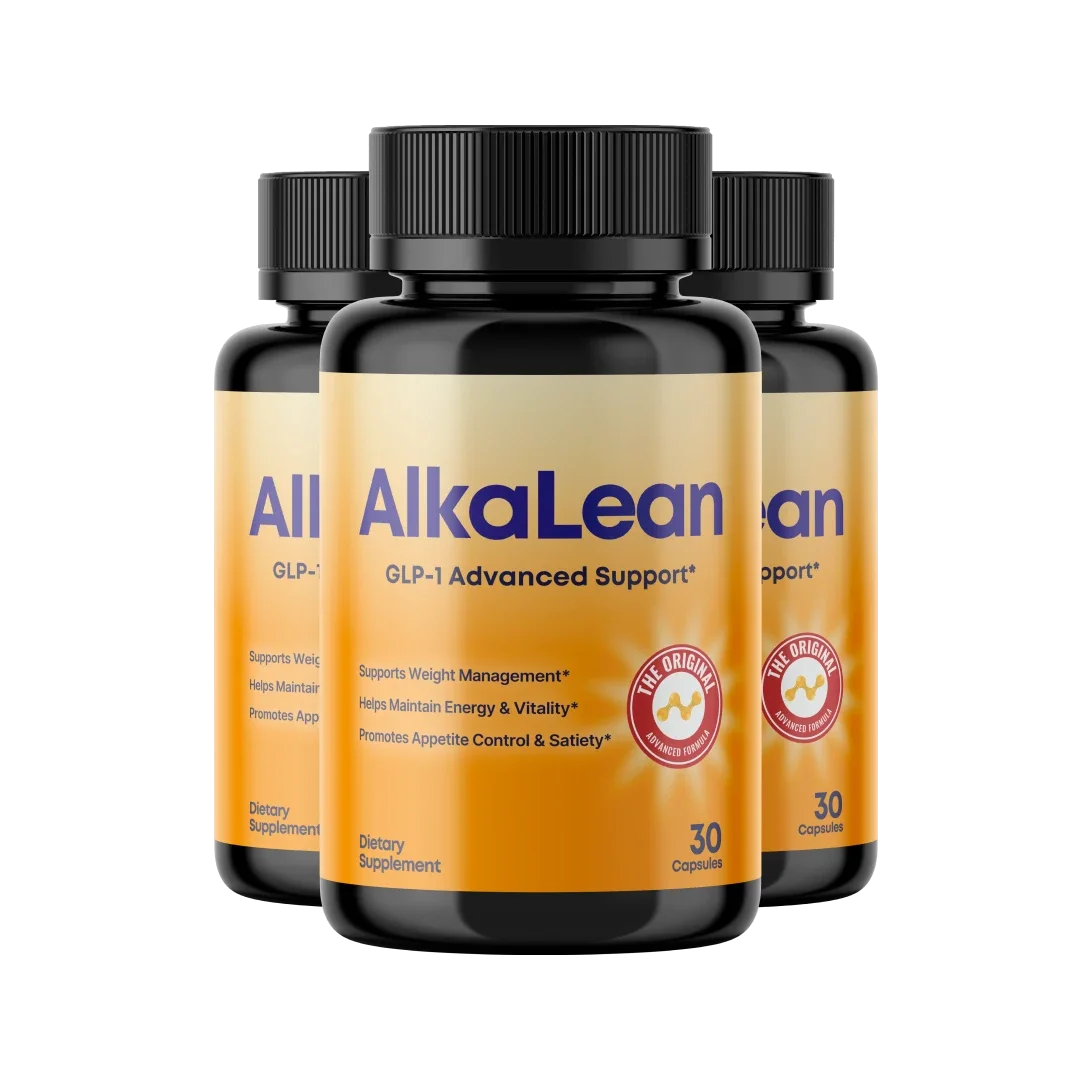
Apple cider vinegar and BHB salts in a once-daily formula, sold from a single bottle upward with a 60-day money-back guarantee. Not a probiotic, and we will not describe it as one.
Get Offer