Natural GLP-1 Boosting Foods for Appetite and Fullness
Quick Answer: What Are the Best Natural GLP-1 Foods?
The best natural GLP-1 foods are soluble-fiber staples like oats, beans and apples, protein such as eggs and fish, healthy fats like avocado, and fermented foods including yogurt and kefir. They nudge the gut to release more of the satiety hormone GLP-1, helping you feel full on fewer calories, no injection required.
- Soluble fiber feeds gut bacteria that trigger GLP-1 release.
- Protein and healthy fats extend fullness after meals.
- Fermented foods support a microbiome linked to GLP-1 signaling.
GLP-1 has become the most talked-about hormone in weight management, largely because of the injectable medications that mimic it. But long before any drug existed, your own gut was making GLP-1 every time you ate — and what you eat still shapes how much of it you release. This guide is about the natural GLP-1 foods that support that built-in appetite system: the fiber, protein, healthy fats and fermented foods that help the gut turn up its own satiety signal. No hype, no injections, just the everyday eating patterns that make fullness easier to come by. We will also be honest about where a supplement like AlkaLean fits into a food-first approach — as a complement, not a substitute, for what is on your plate.
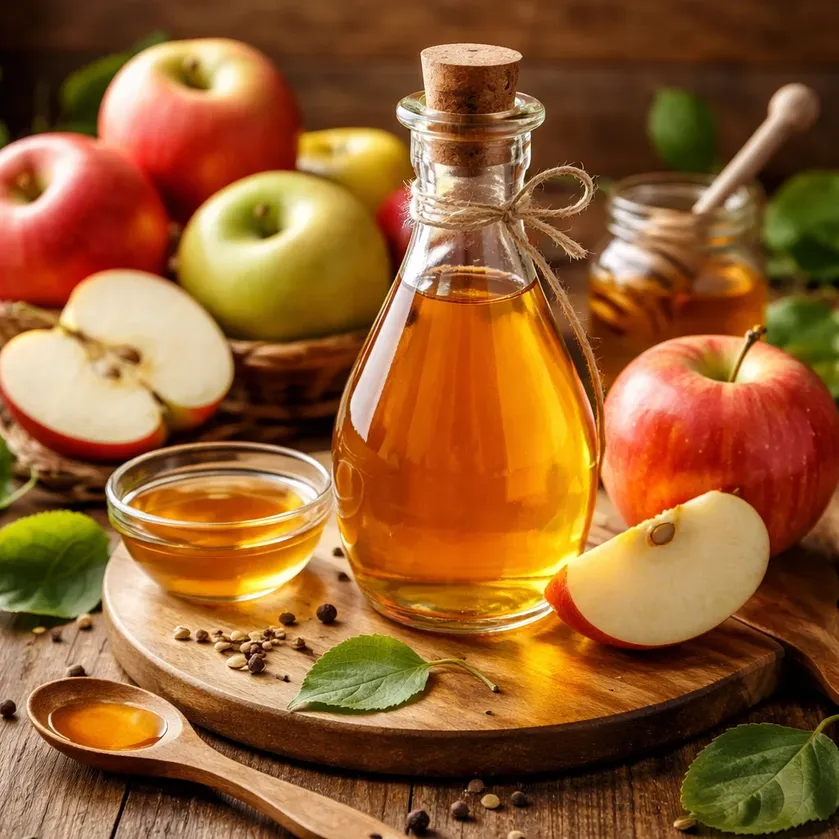
What GLP-1 actually is, and why appetite listens to it
GLP-1 stands for glucagon-like peptide-1, and it is a hormone your intestines release in response to food, especially as nutrients reach the lower part of the gut. Its jobs are exactly the ones dieters wish they had more control over: it slows the rate at which the stomach empties, helps steady blood sugar after meals, and signals to the brain that you are satisfied. In short, GLP-1 is one of the body’s own “I’m full” messengers. The reason the pharmaceutical versions are so effective is that they crank this natural signal far higher and keep it elevated.
The everyday, non-pharmaceutical takeaway is more encouraging than it sounds: because GLP-1 is triggered by food, the composition of your meals genuinely influences how strong that fullness signal is. You will never match a prescription drug with breakfast alone — that is an honest limit, not a knock — but you can eat in a way that consistently favours a stronger natural response. That is what the rest of this guide is about.
The best natural GLP-1 foods, group by group
There is no single miracle food. The pattern that supports GLP-1 is about categories that either reach the lower gut intact or feed the bacteria living there. Here are the natural GLP-1 foods worth building meals around, grouped by why they work.
Soluble and fermentable fiber. This is the heavyweight category. Oats, barley, beans, lentils, chickpeas, apples, pears, flaxseed and psyllium all supply fiber that your gut bacteria ferment into compounds tied to GLP-1 release. They also physically slow digestion, which stretches fullness out over hours rather than minutes.
Protein. Protein is the most satiating macronutrient, and protein-rich foods — eggs, fish, poultry, Greek yogurt, tofu and legumes — are associated with greater GLP-1 secretion after a meal. Anchoring each meal around a protein source is one of the simplest, most reliable appetite moves you can make.
Healthy fats. Fats from avocado, olive oil, nuts and oily fish stimulate gut hormones including GLP-1 and slow gastric emptying. A moderate amount of the right fat turns a meal from a quick spike into a slow, satisfying burn.
Fermented foods. Yogurt, kefir, sauerkraut, kimchi and miso feed and diversify the gut microbiome, and a healthier microbiome is linked with more of the short-chain fatty acids that support GLP-1. We will come back to this, because it is the mechanism the newest supplements are chasing.

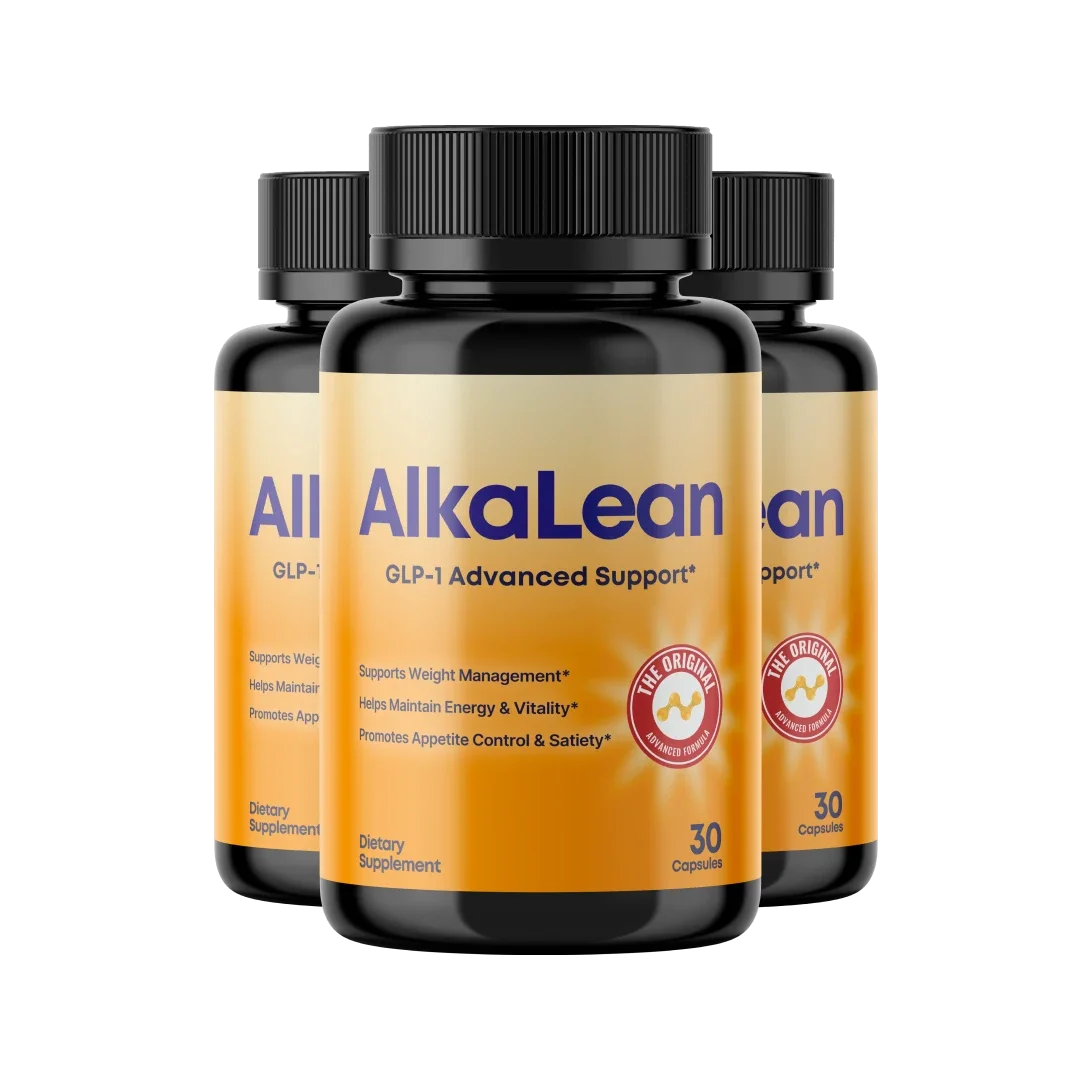
Want a gut-focused nudge alongside your plate?
AlkaLean pairs apple cider vinegar with BHB and is positioned for GLP-1 Advanced Support — a complement to fiber-rich, fermented eating rather than a replacement for it. See the ingredients, supply sizes and 60-day money-back terms on the official store page.
See the AlkaLean OfferFiber and short-chain fatty acids: the real mechanism
If you only remember one mechanism, make it this one. When you eat fermentable fiber, it passes undigested into the large intestine, where gut bacteria feast on it. The by-products of that fermentation are short-chain fatty acids — acetate, propionate and butyrate. These short-chain fatty acids are not waste; they are signalling molecules, and they are strongly associated with prompting the gut’s L-cells to release more GLP-1. In other words, feeding your bacteria the right fiber is an indirect but powerful way to turn up your own satiety hormone.
This is also why the source of fiber matters, not just the number on a label. Fiber added to a processed bar is not always the fermentable kind that produces short-chain fatty acids, whereas the fiber in beans, oats and whole fruit reliably is. It is worth understanding the gap between food-based approaches and the pills that promise the same outcome; our explainer on whether natural GLP-1 supplements actually work is the honest companion to this section and shows where the marketing gets ahead of the evidence.
Fermented foods, probiotics and the microbiome angle
The microbiome connection is the frontier, and it deserves both enthusiasm and caution. The logic is sound: a more diverse, well-fed community of gut bacteria tends to produce more short-chain fatty acids, which supports GLP-1 signalling. Fermented foods contribute live cultures and also feed existing bacteria, and specific microbes have drawn research interest for their metabolic effects — the gut bacterium Akkermansia muciniphila and what is currently known about it is a good example of how a single strain can become a focus of weight-management science.
The honest caveat is that this evidence is still developing, and the effect of any one fermented food on your personal GLP-1 output is variable and modest. Treat fermented foods as a genuinely worthwhile daily habit that supports the whole system, not as a lever you can pull for a guaranteed hormonal jolt. Consistency over months, across a varied diet, is where the microbiome benefits accumulate.
Myths worth clearing up
This topic attracts confident nonsense from every direction. Three corrections matter most.
Myth 1: “A smoothie can replace a GLP-1 medication.” No. Food-based approaches raise your natural GLP-1 modestly; prescription GLP-1 drugs raise it many times higher and hold it there. If a doctor has recommended medication, food is a complement to it, not a swap. Anyone claiming a grocery list matches an injection is overselling.
Myth 2: “All fiber is equal.” It is not. The soluble, fermentable fiber in beans, oats and fruit drives short-chain fatty acid production; some isolated fibers added to ultra-processed foods do far less. Whole-food fiber wins.
Myth 3: “A supplement can do the whole job for you.” Any product — AlkaLean included — is a support around a food-first foundation. The pills that pretend otherwise are the ones to distrust. The plate is the primary intervention; a supplement is, at best, a helpful nudge on top of it.
Where AlkaLean fits into a natural GLP-1 approach
Since this is an AlkaLean publication, let us be transparent about the connection and where it stops. AlkaLean is marketed for “GLP-1 Advanced Support,” and it approaches appetite from the gut side using apple cider vinegar and BHB. The acetic acid in apple cider vinegar is linked to slower gastric emptying and improved fullness, which is the same lane the natural GLP-1 foods above operate in. So the product and the diet are pointed in the same direction: supporting the body’s own satiety signals rather than overriding them with a drug.
The critical honesty is in the wording. “GLP-1 Advanced Support” is a structure-function claim carrying the standard FDA asterisk — it describes an intended effect, not a proven medication result. AlkaLean is not a GLP-1 drug and does not contain one. So the sensible way to use it is exactly how you would use any of the foods on this page: as one supportive input in a diet built around fiber, protein and fermented foods. If you decide to add it, our guide on how to take AlkaLean for the best results covers doing so consistently. The food does the foundational work; the supplement is a nudge on top.
A simple day of GLP-1-friendly eating
To make it concrete, here is what a day skewed toward natural GLP-1 support can look like — no exotic ingredients, just the categories stacked sensibly:
- Breakfast: oats with Greek yogurt, ground flaxseed and berries — soluble fiber, protein and fermented dairy in one bowl.
- Lunch: a lentil or bean salad with olive oil, plus a protein like eggs, salmon or chicken.
- Snack: an apple with a handful of nuts, or kefir — fiber and fat, or live cultures.
- Dinner: a palm-sized protein, half a plate of vegetables, and a fermented side such as sauerkraut or kimchi.
- Throughout: water, and if you use it, your daily AlkaLean serving taken with a meal.
Nothing here is a crash diet. That is the point: eating for GLP-1 is about steady, satisfying meals that keep hunger quieter, which makes the modest calorie deficit behind real weight loss far easier to sustain.
Your gut already makes the satiety hormone everyone is chasing. The most reliable way to get more of it is not a syringe or a pill — it is a plate built on fiber, protein and fermented foods, eaten consistently.
The bottom line on natural GLP-1 foods
To pull it together: the most effective natural GLP-1 foods are soluble and fermentable fiber, protein, healthy fats and fermented foods, because they either reach the lower gut intact or feed the bacteria that produce the short-chain fatty acids tied to GLP-1 release. They will not rival a prescription medication — that is an honest limit — but they meaningfully support your body’s own fullness signal and make a sustainable calorie deficit feel less like a battle. A supplement such as AlkaLean, with its apple-cider-vinegar-and-BHB, gut-focused angle, can sit alongside that diet as a complement, provided you read its GLP-1 wording for the structure-function claim it is. Build the plate first; let anything else be the nudge on top.
Medical note: this article is general nutrition information, not medical advice, and it discusses food and normal appetite physiology rather than making a treatment claim. Dietary supplements are not drugs and are not intended to diagnose, treat, cure or prevent any disease. Speak to a healthcare professional before changing your diet or starting a supplement, particularly if you are pregnant, nursing, or managing a medical condition.
Frequently asked questions
What foods naturally boost GLP-1?
Foods that reach the lower gut relatively intact tend to prompt more GLP-1 release. The strongest everyday examples are soluble-fiber foods like oats, beans, lentils and apples, protein-rich foods such as eggs, fish and Greek yogurt, healthy fats like avocado and olive oil, and fermented foods including yogurt, kefir and sauerkraut. Whole foods, not pills, do the heavy lifting.
Can fiber increase GLP-1 for appetite control?
Yes, soluble and fermentable fiber is one of the most reliable dietary levers for GLP-1. When gut bacteria ferment fiber they produce short-chain fatty acids, which are linked to greater GLP-1 release and a stronger sense of fullness. That is a key reason high-fiber meals tend to keep appetite quieter for longer than refined, low-fiber ones.
Do fermented foods and probiotics affect GLP-1?
They may, indirectly. Fermented foods and the fibers that feed beneficial bacteria can shift the gut microbiome toward more short-chain fatty acid production, which is associated with GLP-1 signaling. The evidence is still developing and effects vary from person to person, so treat fermented foods as a supportive habit rather than a guaranteed GLP-1 switch.
How does AlkaLean support natural GLP-1?
AlkaLean is positioned for GLP-1 Advanced Support through apple cider vinegar and BHB, which target appetite and fullness pathways rather than acting as a GLP-1 drug. The phrase is a structure-function claim, not a proven medication effect, so it works best as a complement to GLP-1-friendly foods and a calorie-aware diet, not a replacement for them.
References
- Chambers ES, et al. — Effects of targeted delivery of propionate to the human colon on appetite regulation, body weight maintenance and adiposity in overweight adults (Gut, 2015)
- Tolhurst G, et al. — Short-chain fatty acids stimulate glucagon-like peptide-1 secretion via the G-protein-coupled receptor FFAR2 (Diabetes, 2012)
- Harvard T.H. Chan School of Public Health — Fiber
- Mayo Clinic — Apple cider vinegar for weight loss
- NIH National Center for Complementary and Integrative Health — Probiotics
Related reading
- Natural GLP-1 supplements: do they actually work?
- Probiotics and weight loss: what actually works
- Natural appetite suppressants, ranked by the evidence
- Akkermansia muciniphila: what is currently known
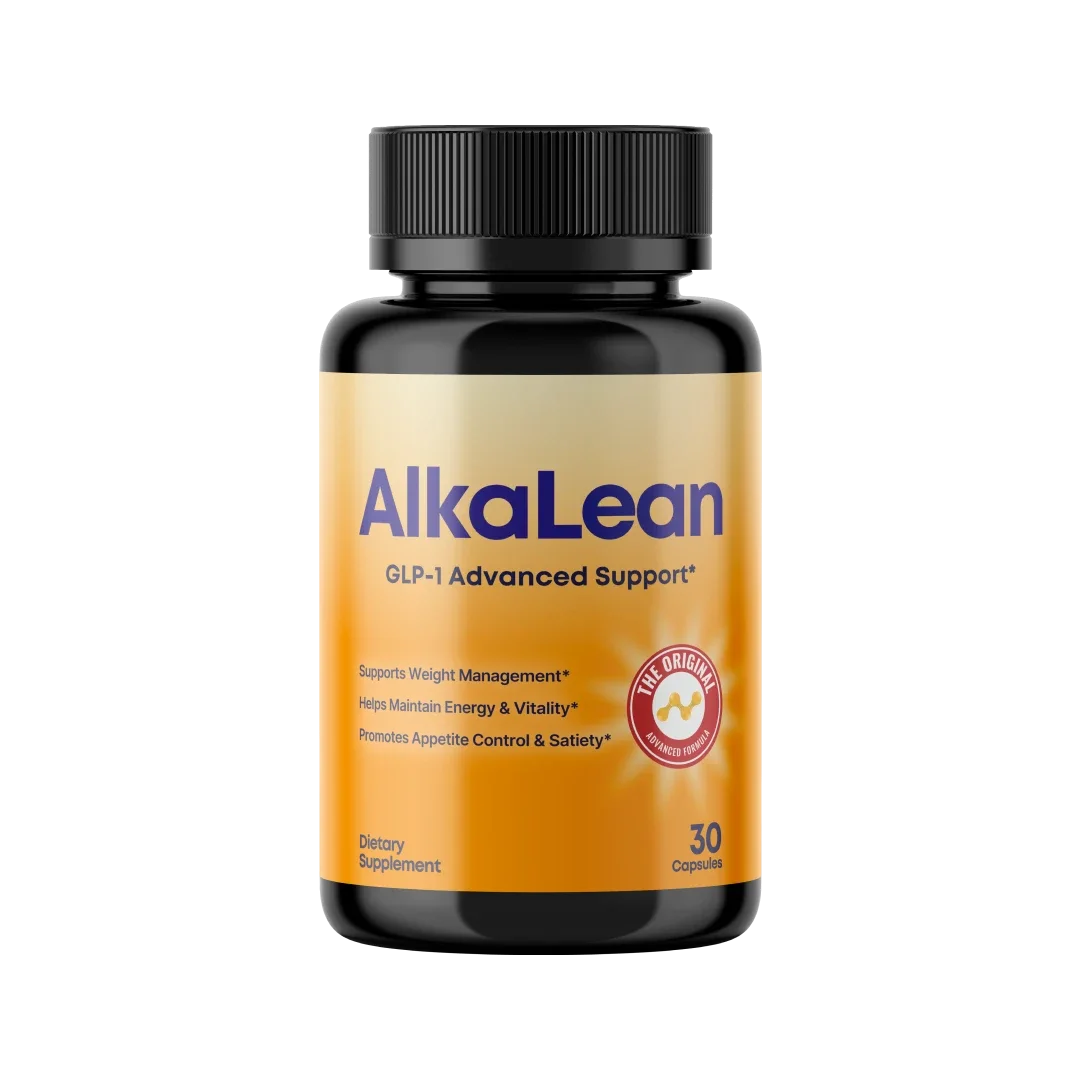
See the current AlkaLean offer
If you want a gut-focused, apple-cider-vinegar-and-BHB complement to a GLP-1-friendly diet, check the ingredients, supply sizes and 60-day money-back terms on the official store page and decide for yourself.
Get Offer