Akkermansia Muciniphila: What Is Known About This Gut Health Supplement Probiotic
Quick Answer: What Is Akkermansia Muciniphila?
Akkermansia muciniphila is a bacterium that lives in the mucus layer of the human large intestine, where it feeds on mucin — the gel your own gut cells secrete. It is studied because people with more of it tend, on average, to have better metabolic markers, but the human trial evidence is small and early, and most products sold as an Akkermansia gut health supplement probiotic contain pasteurised cells that are not alive. Nothing published so far shows it treats, prevents or reverses any condition.
- What it is: a mucin-eating gut bacterium, first isolated and named in 2004.
- What has been tested in people: one small exploratory trial in overweight adults, designed mainly to answer whether the preparation was safe and practical to take.
- The label catch: pasteurised means the cells are dead, so the word probiotic does not strictly apply — postbiotic is the accurate term.
Few gut bacteria have gone from obscure to fashionable as quickly as this one. Twenty years ago it existed in a handful of microbiology papers. Today it is on capsule labels, in podcast segments and in the marketing copy of half the gut category. That gap between attention and evidence is exactly the thing worth writing down carefully, because the science here is genuinely interesting and genuinely thin at the same time.
Where this microbe lives and what it eats
Akkermansia muciniphila was isolated from a human stool sample and formally described in 2004 by researchers in the Netherlands, who named the genus after the microbiologist Antoon Akkermans. The species name is a description of its diet: muciniphila means mucin-loving.
That diet is what makes it unusual. Most gut bacteria compete for what arrives from your plate — fibre, resistant starch, whatever escapes digestion in the small intestine. This one lives in the mucus blanket that coats the colon wall and eats the mucin glycoproteins your own cells secrete. It has its own supply line, which is why its numbers do not track your last meal the way other species do.
Eating the barrier sounds like vandalism, and the counterintuitive finding is the opposite: higher levels are associated with a thicker, better-maintained mucus layer, not a thinner one. The leading explanation is grazing. Steady, moderate consumption appears to signal for turnover and renewal, in the way that mowing a lawn thickens it. Along the way the bacterium releases acetate and propionate, short-chain fatty acids that other species feed on to make butyrate, the preferred fuel of the cells lining the colon. It sits at a useful junction in the food web rather than at the end of it.
In healthy adults it is usually reported as a low single-digit percentage of the total gut community, with enormous variation between individuals. It is also a strict anaerobe: oxygen kills it. Keep that fact in mind, because it quietly determines what can be sold in a capsule.
Why researchers started paying attention
The interest began with a pattern that kept reappearing in observational studies. Across a range of populations, people carrying more Akkermansia tended on average to have better fasting glucose, better insulin sensitivity and less visceral fat, while lower relative abundance was reported in groups with obesity, type 2 diabetes and inflammatory bowel conditions. The association is consistent enough to be taken seriously and weak enough that no one can tell you what it means for one person.
Two other observations pushed it further up the queue. Animal work published in the 2010s found that giving the bacterium to mice on high-fat diets changed fat mass and gut-barrier markers, which is the sort of result that generates grant applications. And people taking metformin, one of the most studied metabolic drugs in existence, tend to carry more of it — suggesting the drug shifts the bug, which is not the same as the bug explaining the drug.
The unresolved question is direction. A gut that is fed plenty of varied fibre and maintains a healthy mucus layer is a hospitable place for a mucin-grazer, so the bacterium may be a marker of a well-functioning system rather than the cause of one. Nothing in the observational literature settles that, and any product page that skips past this point is selling you a correlation dressed as a mechanism.
Every confident claim about this species rests on a correlation first and a mouse second. That is a good reason to keep watching it. It is not yet a reason to expect much from a capsule.
What the human trials actually showed
The study everyone cites is a proof-of-concept trial published in 2019 in which overweight and insulin-resistant adults took either a placebo, live Akkermansia or pasteurised Akkermansia daily for three months. Fewer than forty people were randomised. The stated purpose was to find out whether taking the bacterium was safe, tolerable and practical — the metabolic outcomes were exploratory, which is the technical way of saying they were watched rather than tested.
What came back: the preparation was well tolerated, and the pasteurised arm showed movement in some insulin-sensitivity and inflammatory markers. The authors themselves framed it as a first step. A trial of that size, of that length, with exploratory endpoints, cannot establish that a supplement does anything for you, and treating it as if it can is the most common error in this entire category.
One more milestone gets misquoted constantly. European regulators authorised pasteurised A. muciniphila as a novel food in 2021. That is a decision about whether a new food ingredient is safe enough to be sold. It is not a finding that the ingredient works, and marketing copy that presents an approval of this kind as an endorsement of benefit has changed the meaning of the word.
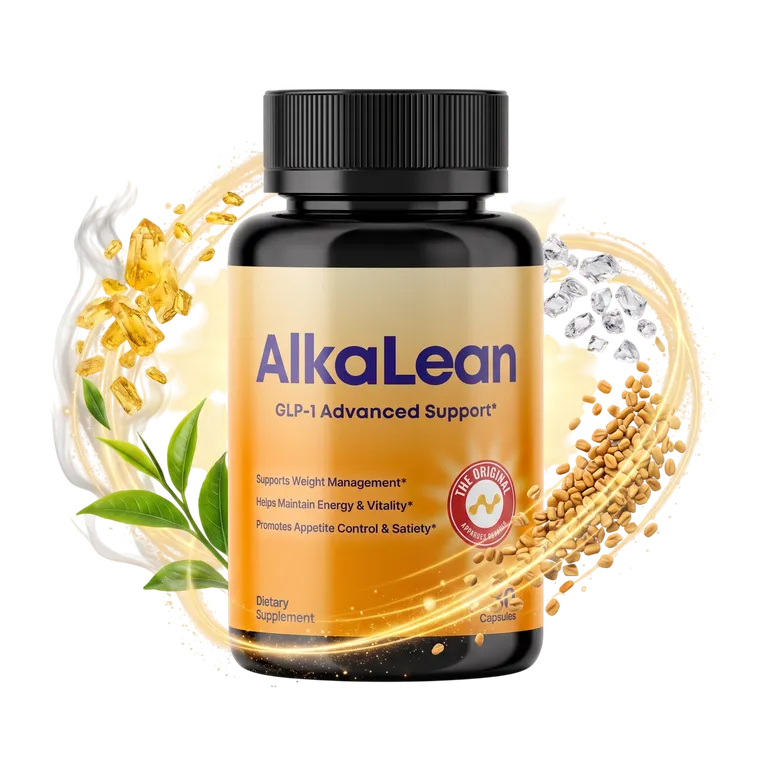
Looking at the AlkaLean offer instead?
AlkaLean is an apple cider vinegar and BHB formula, not a probiotic. If you arrived here searching where to buy apple cider vinegar gummies, the official store page is where the current pricing and the 60-day money-back terms live.
Get OfferLive, pasteurised or postbiotic: how to read a gut health supplement probiotic label
The internationally accepted definition of a probiotic is live microorganisms which, when administered in adequate amounts, confer a health benefit on the host. Two words in that sentence do the work: live and adequate. Pasteurised cells are not live, which makes them postbiotics or paraprobiotics, and the amount is meaningless unless the label says how it was counted and when.
This creates a genuinely odd situation for anyone comparing the best gut health probiotic supplement options on a shelf. The form with the human trial behind it is the dead one. A live product is not automatically better here; it is simply different, and it carries a much harder manufacturing problem, since a strict anaerobe has to survive freeze-drying, packaging, shipping and your kitchen cupboard.
Counting is the other trap. Bacterial supplements are usually declared in colony-forming units, which requires the cell to grow on a plate. Some Akkermansia products instead declare active fluorescent units, counted by flow cytometry, which registers intact cells whether or not they would ever form a colony. The two units are not interchangeable, and a big number in one unit does not beat a smaller number in the other.
| Form | What is in the capsule | Human evidence so far | What to check on the label |
|---|---|---|---|
| Live A. muciniphila | Viable, oxygen-sensitive cells | Weakest of the three — one arm of one small exploratory trial | Strain designation, count method, cold storage, count guaranteed at expiry |
| Pasteurised A. muciniphila | Heat-treated, non-living cells | The form used in the published proof-of-concept work | The word pasteurised stated plainly, plus cell count and method |
| Multi-strain gut blends listing Akkermansia | Usually a small amount inside a proprietary blend | None specific to the blend | Per-strain amounts, not a single blend total |
| Polyphenol or fibre prebiotics | Cranberry, pomegranate, inulin, resistant starch | Preliminary, mostly abundance changes rather than outcomes | Actual gram doses; fibre works in grams, not milligrams |
| Food-first route | Varied plants, berries, tea, fermented foods | Indirect, but the best-established habit of the five | Nothing to check — and no shelf life problem |
Feeding what you already have
The alternative to buying a bacterium is feeding the one you are already carrying. Preliminary human and animal work associates higher Akkermansia levels with polyphenol-rich foods — cranberry, pomegranate, grape, green tea — and with diets high in varied fibre. The mechanism is plausible: polyphenols reach the colon largely undigested, and some appear to favour mucus-associated species.
Two caveats keep this honest. The studies are small, and a measured rise in abundance is not the same as a change in how anyone feels or how their metabolism behaves. The endpoint that matters has rarely been measured. What can be said is that the food route costs little, carries no shelf-life risk and brings the rest of a varied plant diet along with it, which is more than can be said for a capsule of a single species.
If you are comparing gut health supplement brands anyway, this is the useful background: the ingredient that most reliably moves a microbiome in published work is fibre, in grams, from food.
What this cannot do — the limits worth stating plainly
Start with the legal and factual floor. Akkermansia is sold as a dietary supplement or a novel food, not a medicine. It is not intended to diagnose, treat, cure or prevent any disease, and no published work supports a claim that it does.
Beyond that, four practical limits. First, effect sizes: even in the trial people quote, the metabolic movement was modest and secondary, in a few dozen volunteers, over twelve weeks. Second, you cannot see your own starting point. Consumer stool tests will happily report your Akkermansia percentage, but those results are not validated for clinical decisions, and chasing a number of unknown meaning is an expensive hobby.
Third, manufacturing is unusually hard for this species, and a label that does not state the strain, the counting method and the storage requirement has not given you enough to judge it. Fourth, this is not a product category for everyone: anyone who is pregnant or nursing, immunocompromised, seriously unwell, or fitted with a central venous line should treat any live microbial product as a question for a clinician rather than a shopping decision.
Honest summary of the state of play: an interesting organism, a real mechanism, a genuinely small human evidence base, and a marketing volume far out of proportion to all three.
Where AlkaLean fits — honestly
Plainly: it does not. AlkaLean is a once-daily weight-management formula built on apple cider vinegar and BHB salts. It is not an Akkermansia product, it is not a probiotic, and this page is not going to pretend otherwise to make a sale. For the wider picture, see what probiotics actually do for weight loss, the trial record for Lactobacillus gasseri and body composition, and the yeast case in Saccharomyces boulardii, the yeast probiotic.
The one place the two topics touch is fermentation. Apple cider vinegar is a fermented food product, and interest in fermented foods sits next door to interest in the gut. That is an adjacency, not a mechanism, and the AlkaLean label has its own documented limit: no milligram figure is published for any of its named ingredients, which makes value comparisons against other formulas harder than they should be. We would rather write that down than leave it out.
If your actual question is which gut health supplement probiotic is worth buying, the honest starting point is fibre from food and a label that names its strain and its counting method. If your question is about this particular weight-management formula, the product page sets out what is in it and what is not.
The bottom line
Akkermansia muciniphila is the most interesting new name in the gut category and one of the least proven. It has a clear ecological role, a plausible mechanism through the mucus layer and short-chain fatty acids, and a consistent set of associations with better metabolic markers. What it does not have is a body of human trials big enough to justify the way it is being sold. If you buy one, buy it knowing that you are early, check whether the cells are live or pasteurised, and keep eating the fibre that feeds the ones you already have.
Medical note: this article is general wellness information, not medical advice, and it summarises published evidence rather than making a product claim. Dietary supplements are not drugs and are not intended to diagnose, treat, cure or prevent any disease. Speak to a healthcare professional before starting any supplement, particularly if you are pregnant, nursing, immunocompromised or taking medication.
Frequently asked questions
Is Akkermansia muciniphila a probiotic?
Only when the cells in the capsule are alive. The accepted definition of a probiotic is live microorganisms that, given in adequate amounts, confer a health benefit. Most Akkermansia products on sale contain pasteurised cells, which are not alive, so the accurate word for them is postbiotic. Awkwardly, the pasteurised form is the one that has been through a human trial, so dead does not mean useless here, it just means the label is often wrong.
Does Akkermansia muciniphila help with weight loss?
There is no good evidence that it produces weight loss, and no supplement may claim that it does. Human testing so far amounts to one small exploratory trial in overweight adults that was designed to check safety and feasibility, with metabolic markers as secondary and exploratory outcomes. Anything stronger than may support is ahead of the data.
Can you increase Akkermansia without taking a supplement?
Possibly, and it is the cheaper thing to try first. Preliminary studies associate higher levels with polyphenol-rich foods such as cranberries, pomegranate, grapes and green tea, and with a varied high-fibre diet. The caveat is that these studies are small and that a change in abundance is not the same as a change in how you feel or how your metabolism behaves.
Why is Akkermansia so hard to make into a supplement?
It is a strict anaerobe, which means oxygen kills it. Growing it, freeze-drying it and keeping it alive in a capsule on a warm shelf is far harder than it is for common Lactobacillus strains. That is one practical reason the pasteurised version reached the market first, and a good reason to expect a live product to say plainly how it was counted and how it should be stored.
References
- Depommier C, et al. — Supplementation with Akkermansia muciniphila in overweight and obese human volunteers: a proof-of-concept exploratory study (Nat Med, 2019)
- NIH National Center for Complementary and Integrative Health — Probiotics: What You Need To Know
- Harvard T.H. Chan School of Public Health — The Nutrition Source: The Microbiome
- Mayo Clinic — Probiotics and prebiotics: what you should know
- NIH Office of Dietary Supplements — Dietary Supplements for Weight Loss
Related reading
- Lactobacillus gasseri and body composition: the real data
- The single-bottle option, and when to use it
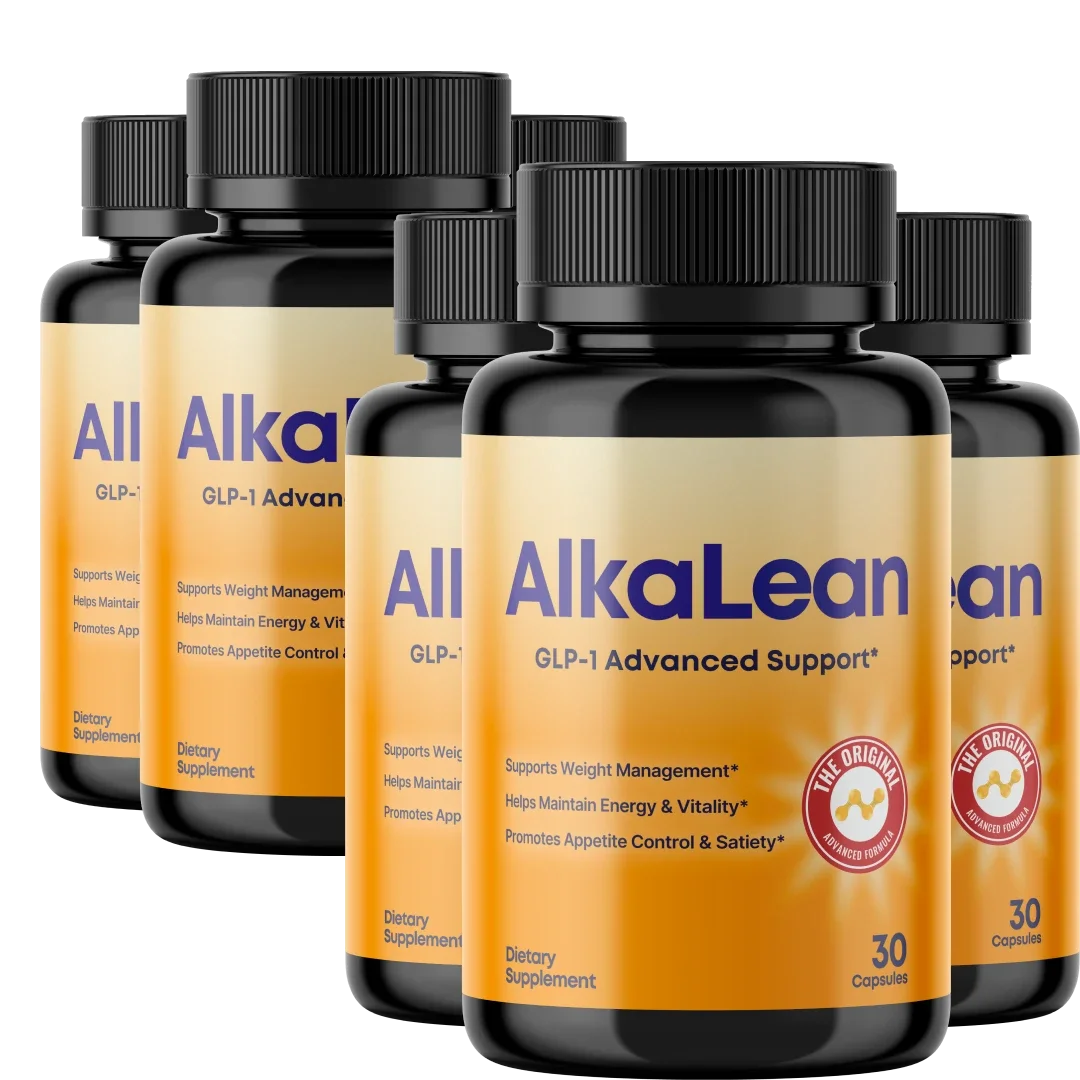
See the current AlkaLean offer
Apple cider vinegar and BHB salts, sold from a single bottle upward, with a 60-day money-back guarantee. Not a probiotic, and we will not describe it as one.
Get Offer