Natural GLP-1 Supplements: Do They Work? An Honest Look
Do natural GLP-1 supplements work?
Natural GLP-1 supplements produce real but small effects, nothing like prescription drugs. Berberine, the best-studied option, is tied to about 1 to 3 percent weight loss (2 to 3 kg), while Wegovy averages 14.9 percent and Zepbound about 21 percent. Fiber and protein also raise your own GLP-1 naturally. Expect mild support, not transformation.
- Berberine: roughly 1–3% weight loss, about 2–3 kg, in some trials.
- The gap: Wegovy ~14.9% and Zepbound ~21% in their trials — a different league.
- Free levers: dietary fiber and protein both boost natural GLP-1 release after meals.
Since the arrival of blockbuster weight-loss injections, the phrase natural GLP-1 supplements has exploded across supplement labels, promising the benefits of Ozempic or Wegovy in a capsule and without a prescription. It is an appealing pitch, and it is mostly overstated. GLP-1 is a real and important gut hormone, and some foods and ingredients genuinely nudge it, but the size of that nudge is nowhere near what a drug that directly activates the GLP-1 receptor achieves. This piece lays out what natural support can realistically do, what it cannot, and who might actually benefit.
What GLP-1 is, and what “natural support” actually means
GLP-1, or glucagon-like peptide-1, is a hormone your gut releases after you eat. It does several useful things: it tells the pancreas to release insulin when blood sugar rises, it slows the rate at which the stomach empties, and it signals fullness to the brain. That combination is why it became such a powerful drug target. If you can keep GLP-1 signalling switched on, people feel full sooner, eat less, and lose weight.
Prescription GLP-1 receptor agonists — semaglutide (Ozempic, Wegovy) and tirzepatide (Zepbound, which also hits a second receptor) — work by directly activating that receptor at drug-strength doses, around the clock, for as long as you take them. “Natural” supplements do something much gentler and much less certain: they try to coax your body into releasing a bit more of its own GLP-1, or to slow digestion in ways that lean on the same fullness machinery. That is a real mechanism. It is also a faint echo of what the drugs do, and honest expectations start with understanding that difference in kind, not just in degree.
The numbers, side by side, without spin
Here is the comparison the marketing tends to bury. In its trials, semaglutide at weight-management doses (Wegovy) produced average weight loss of roughly 14.9 percent of body weight. Tirzepatide (Zepbound) reached about 21 percent at its highest dose. Those are extraordinary figures for an obesity treatment, and they are why the drugs reshaped the field.
Now the natural side. Berberine, a plant alkaloid and the most-studied natural GLP-1-adjacent ingredient, is associated with roughly 1 to 3 percent weight loss — on the order of 2 to 3 kilograms — in the trials that found an effect, and even that evidence is mixed and comes from small studies. So the realistic natural ceiling is a low single-digit percentage, against a drug ceiling ten to twenty times higher. When a supplement page invokes “nature's Ozempic,” this is the gap it is asking you not to notice. What the pooled trials actually found, and what they did not, is set out in berberine for weight loss: benefits, risks and dosage.
The most honest sentence in this whole category: natural GLP-1 support and a GLP-1 receptor agonist are not the same tool at different strengths. They are different tools, and only one of them was built for significant weight loss.
| Option | Typical weight change in trials | How it works |
|---|---|---|
| Tirzepatide (Zepbound) | ~21% | Directly activates GLP-1 and GIP receptors |
| Semaglutide (Wegovy) | ~14.9% | Directly activates the GLP-1 receptor |
| Berberine | ~1–3% (2–3 kg) | Modest metabolic effects; mixed evidence |
| Fiber & protein (food) | Varies; supports adherence | Slow digestion, raise the body's own GLP-1 |
| Apple cider vinegar | Small (few pounds, with diet) | Appetite/blood-sugar nudge; weak evidence |
Where natural GLP-1 support genuinely earns a place
None of this makes natural approaches worthless — it makes them modest, and modest has a legitimate role. The best case for a natural GLP-1 supplement is someone with a BMI in roughly the 27 to 32 range who is already eating and moving reasonably well and wants a small, low-risk nudge on top. For that person, a couple of extra kilograms of loss, or slightly easier appetite control, can be meaningful and enough. It is when the same product is sold to someone expecting drug-level results that the disappointment, and the wasted money, arrive.
The other underrated point is that the most reliable GLP-1 levers are not pills at all. Dietary fiber and protein both slow digestion and prompt the gut to release more of its own GLP-1 after a meal — the exact hormone the supplements are trying to borrow. A meal built around vegetables, legumes, whole grains and a solid protein source does more for your natural GLP-1 than most capsules, costs nothing extra, and carries no proprietary-blend mystery. If you take one practical thing from this article, make it that: food first, supplement maybe.

Where AlkaLean fits, said plainly
AlkaLean markets a “GLP-1 Advanced Support” angle built on apple cider vinegar and BHB salts. Read that claim through the lens above and the picture is clear: it belongs to the gentle, natural-support tier, not the drug tier. It may offer a small nudge to appetite and habit alongside a sensible diet, and that is the most it can honestly promise. Two limits are worth repeating — the GLP-1 support claim is an asterisked structure-function statement rather than a proven outcome, and AlkaLean does not publish per-ingredient doses, so you cannot confirm how much of anything you are getting. If you want the full picture of the brand before deciding, our honest review of whether AlkaLean is legit walks through the verifiable and the unproven side by side.
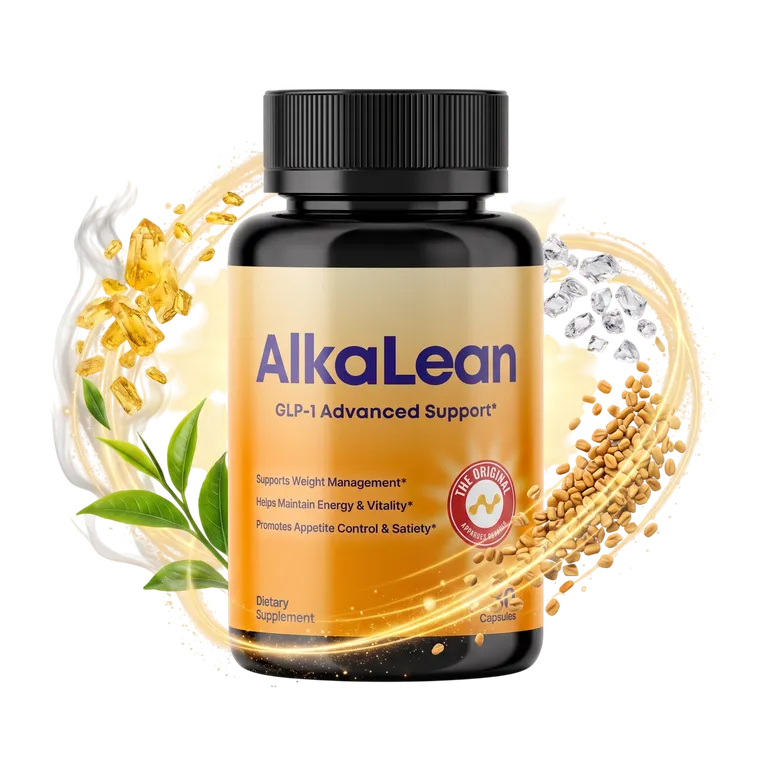
Considering AlkaLean's GLP-1 support formula?
If a gentle, natural-tier nudge alongside your diet is what you are after — not a substitute for medical treatment — the official store page has the current pricing and the 60-day money-back terms.
Get OfferTwo myths worth dismantling
Myth one: “nature's Ozempic” is a real category. It is a marketing phrase, not a pharmacology one. No food, herb or supplement has been shown to reproduce the appetite suppression or the 15-to-21-percent weight loss of the receptor-agonist drugs. Berberine, the ingredient the phrase most often points to, lands around 1 to 3 percent in the studies that found anything. Calling it nature's version of a drug that works ten times harder is a category error dressed as a benefit.
Myth two: natural means risk-free, so more is always fine. Natural is not the same as harmless. Berberine can interact with a long list of medications, because it affects the same liver enzymes that process many drugs, and it can cause digestive upset. Apple cider vinegar in large amounts can irritate the throat and, taken to excess, affect potassium. “It's just a plant” is not a safety clearance. If you take prescription medicine — and especially any diabetes medication — a natural GLP-1 supplement is a conversation for your doctor, not an impulse buy.
How to decide, honestly
Put it together and the decision framework is simple. If you need significant weight loss, or you have obesity, type 2 diabetes or a related condition, the intervention with real leverage is a prescription GLP-1 medicine discussed with a clinician — the numbers above are not close. If you want a small assist on top of a diet you are already running, a natural option can be a reasonable, low-cost, low-risk experiment, provided you buy it for a nudge and not a miracle. And whichever way you lean, start with the two levers that cost nothing and are best supported: more fiber, more protein. For a direct head-to-head on the two most-hyped ingredients, our comparison of berberine versus apple cider vinegar for weight management is the natural next read.
Medical note: this article is general wellness information, not medical advice, and it summarises published evidence rather than making a product claim. Dietary supplements are not drugs and are not intended to diagnose, treat, cure or prevent any disease. Prescription GLP-1 medicines and supplements such as berberine can interact with other medications. Speak to a healthcare professional before starting any supplement or making a change to weight-loss treatment, particularly if you are pregnant, nursing, diabetic or taking medication.
Frequently asked questions
Do natural GLP-1 supplements actually work?
They can help a little, but the effect is small. The best-studied ingredient, berberine, is associated with roughly 1 to 3 percent weight loss, about 2 to 3 kilograms, in some trials. That is a modest nudge that can support a diet, not a stand-alone solution. Anyone expecting a natural supplement to reproduce prescription-level results is likely to be disappointed.
How do natural GLP-1 supplements compare to Ozempic or Wegovy?
They are in a different league entirely. In trials, Wegovy produced average weight loss around 14.9 percent and Zepbound around 21 percent, while natural options like berberine sit near 1 to 3 percent. Prescription GLP-1 receptor agonists directly activate the GLP-1 receptor at drug-strength doses, whereas supplements only nudge the body's own signalling gently. Do not treat them as interchangeable.
Which natural ingredients support GLP-1?
The most cited is berberine, with modest human data. Beyond single ingredients, dietary fiber and protein are the most reliable levers: both slow digestion and prompt the gut to release more of its own GLP-1 after meals. Apple cider vinegar and certain plant compounds are studied too, though weakly. Food-based approaches such as more fiber and protein are cheaper and better established than most pills.
Who is a good candidate for natural GLP-1 support?
The realistic best case is someone with a BMI around 27 to 32 who wants mild support alongside diet and activity, not a medical-grade result. If you have a higher BMI, diabetes, or a weight-related health condition, a prescription GLP-1 medicine discussed with a doctor will do far more. Natural support suits people looking for a small, low-risk nudge, not those needing significant loss.
References
- Wilding JPH, et al. — Semaglutide (Wegovy) once weekly in adults with overweight or obesity (STEP 1)
- Jastreboff AM, et al. — Tirzepatide (Zepbound) once weekly for the treatment of obesity (SURMOUNT-1)
- Xiong P, et al. — The effect of berberine supplementation on obesity indices: a dose-response meta-analysis and systematic review of randomized controlled trials (Complement Ther Clin Pract, 2020)
- NIH NIDDK — Prescription medications to treat overweight and obesity
- NIH Office of Dietary Supplements — Dietary Supplements for Weight Loss
Related reading
- AlkaLean vs Ozempic: what to know
- Berberine vs ACV for weight management
- Does ACV curb appetite? What research says
- Is AlkaLean legit? An honest review
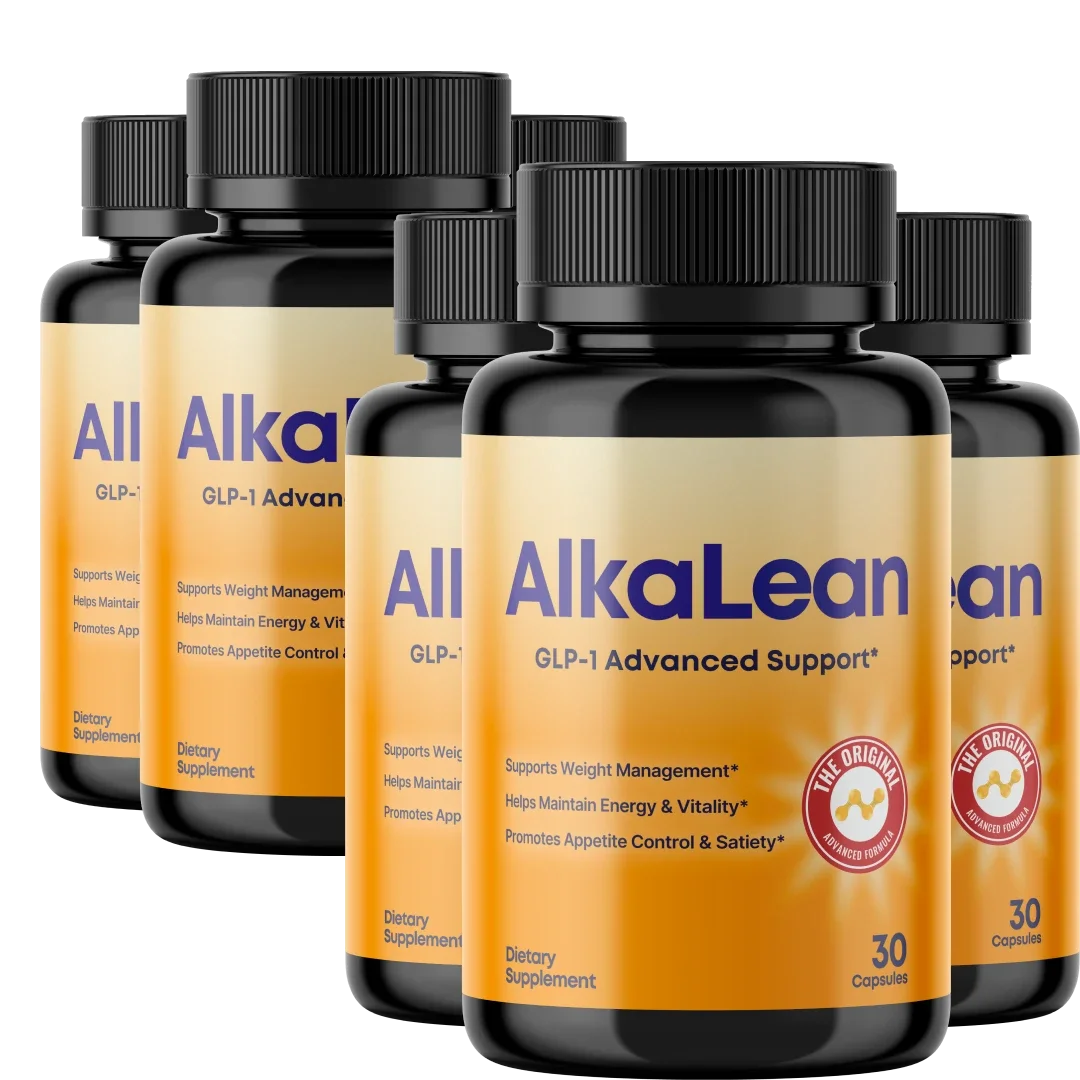
See the current AlkaLean offer
A once-daily apple cider vinegar and BHB formula in the gentle, natural-support tier, sold from a single bottle upward with a 60-day money-back guarantee. A nudge alongside your diet — not a substitute for medical treatment.
Get Offer