Berberine vs Apple Cider Vinegar for Weight Management
Quick Answer: Berberine vs Apple Cider Vinegar for Weight Loss
Berberine and apple cider vinegar are both modest, diet-dependent weight-support ingredients rather than fat-loss drugs. Berberine acts on the AMPK energy pathway and shows roughly 2 to 3 kilograms of loss in trials; ACV works mainly through acetic-acid signalling and appetite, with about 2 to 4 pounds over three months. Neither rivals GLP-1 medication.
- Berberine: a plant alkaloid that switches on AMPK, the cell's low-fuel sensor, with the larger body of blood-sugar and lipid research.
- Apple cider vinegar: acetic acid that appears to slow stomach emptying and blunt appetite, so its lever is fullness more than metabolism.
- The honest ceiling: both are small effects that only show up alongside a calorie-aware diet, and neither approaches prescription weight-loss medicine.
If you have spent any time in the natural weight-management aisle, you have run into the same two names again and again. Berberine gets called "nature's Ozempic" in short videos that skip the fine print. Apple cider vinegar has been a folk remedy for so long that it is practically furniture. So the fair question is the one people actually type: in a straight comparison of berberine vs apple cider vinegar, which one is worth your money and your patience? The honest answer needs mechanism and numbers, not slogans, and it needs to be clear that both are supporting actors, not the lead.

Two supplements, two completely different mechanisms
The first mistake people make is treating these two as interchangeable "natural fat burners." They are not even in the same family. Berberine is a bright-yellow alkaloid extracted from plants such as goldenseal, barberry and Oregon grape. It has been used in traditional medicine for centuries, but the modern interest is biochemical: berberine activates an enzyme called AMP-activated protein kinase, usually shortened to AMPK. Think of AMPK as the cell's fuel gauge. When energy runs low, AMPK flips on and tells the cell to pull in glucose, burn fat for fuel and stop storing. Berberine appears to nudge that switch pharmacologically, which is why its most consistent effects show up in blood sugar and cholesterol markers rather than on the scale directly.
Apple cider vinegar plays a completely different game. Its active component is acetic acid, the same molecule that gives vinegar its sour bite. The leading explanation for any weight effect is not a metabolic switch at all: acetic acid seems to slow the rate at which the stomach empties, which flattens the blood sugar spike after a meal and helps you feel full a little longer. In other words, berberine is trying to change the machinery, while ACV is mostly changing how much you eat and how fast your body sees it. When you understand that split, the rest of the comparison falls into place.
What berberine actually does to the AMPK pathway
Berberine's résumé is strongest in metabolic markers. A number of randomised trials and several meta-analyses have looked at it for type 2 diabetes markers and lipid profiles, and the pooled picture is that berberine can meaningfully improve fasting glucose, HbA1c and LDL cholesterol in people who start with elevated numbers. That is a real signal, and it is the reason clinicians take the molecule seriously even while rolling their eyes at the "nature's Ozempic" marketing.
Weight, though, is a secondary story. In trials where body weight was measured, berberine tends to produce modest reductions, commonly in the region of two to three kilograms over roughly twelve weeks, and usually alongside dietary change rather than instead of it. The mechanism makes sense: better insulin sensitivity and a shove toward fat oxidation can help, but they do not create a large calorie deficit on their own. Berberine also has a real-world catch that the videos skip — it is poorly absorbed, has a short half-life so it is usually dosed two or three times a day, and commonly causes cramping, diarrhoea or constipation until the gut adjusts. It also interacts with a long list of medications through the liver's CYP enzymes, which is not a footnote for anyone on prescriptions.
Berberine vs apple cider vinegar: the head-to-head on evidence
Now put them side by side. When you compare berberine vs apple cider vinegar strictly on human data, berberine has the deeper bench. It has more trials, more meta-analyses and clearer effects on the metabolic numbers that matter to a lot of people carrying extra weight. Apple cider vinegar has fewer weight trials, and the ones that exist are small. The most-cited example is a twelve-week study in which participants adding a daily dose of vinegar to a calorie-reduced diet lost a few more pounds than the control group — genuinely a couple to four pounds of difference, not a transformation.
Where ACV earns its keep is the appetite and post-meal glucose angle, which is more plausible and more repeatable than any story about it "melting fat." If your struggle is grazing, second helpings and afternoon snacking, the fullness lever may matter more to you than a metabolic tweak. We dug into exactly that question in our companion piece on whether apple cider vinegar genuinely curbs appetite and by how much, because "feels filling" is the effect with the least hype and the most real-world traction.
| Factor | Berberine | Apple cider vinegar |
|---|---|---|
| Main mechanism | Activates AMPK, the cellular energy switch | Acetic acid slows gastric emptying, improves fullness |
| Best-supported effect | Fasting glucose, HbA1c, LDL cholesterol | Post-meal glucose, appetite and satiety |
| Typical weight result | ~2–3 kg over ~12 weeks, diet-dependent | ~2–4 lb over ~12 weeks, diet-dependent |
| Depth of evidence | Larger, includes meta-analyses; many small studies | Fewer, smaller weight trials |
| Common downsides | GI upset, frequent dosing, drug interactions | Acid erosion of enamel, reflux, throat irritation |
| vs GLP-1 medication | Far weaker | Far weaker |
Reading the trial numbers without fooling yourself
Here is the sentence that should be printed on every product page and almost never is: both of these are modest and both are diet-dependent. A two-to-three kilogram berberine result and a two-to-four pound ACV result are not the finish line of a weight-loss journey; they are a small tailwind on top of the work that actually moves the number, which is the food you eat and the deficit you hold. Strip away the diet in these studies and the ingredient effect shrinks toward nothing. That is not a knock on either compound — it is just what "supports" honestly means.
It also matters that many trials are small, short and industry-adjacent. A twelve-week study in forty people can generate a headline but cannot tell you what happens over a year, or in your particular metabolism. Expect a nudge, give it a fair two-to-four week trial, and judge it against your own diary rather than a testimonial.
Neither berberine nor apple cider vinegar is a shortcut. They are small levers that only do visible work when a calorie-aware diet is already pulling in the same direction. Anyone selling them as a substitute for that is selling you a story.
Prefer the apple cider vinegar route?
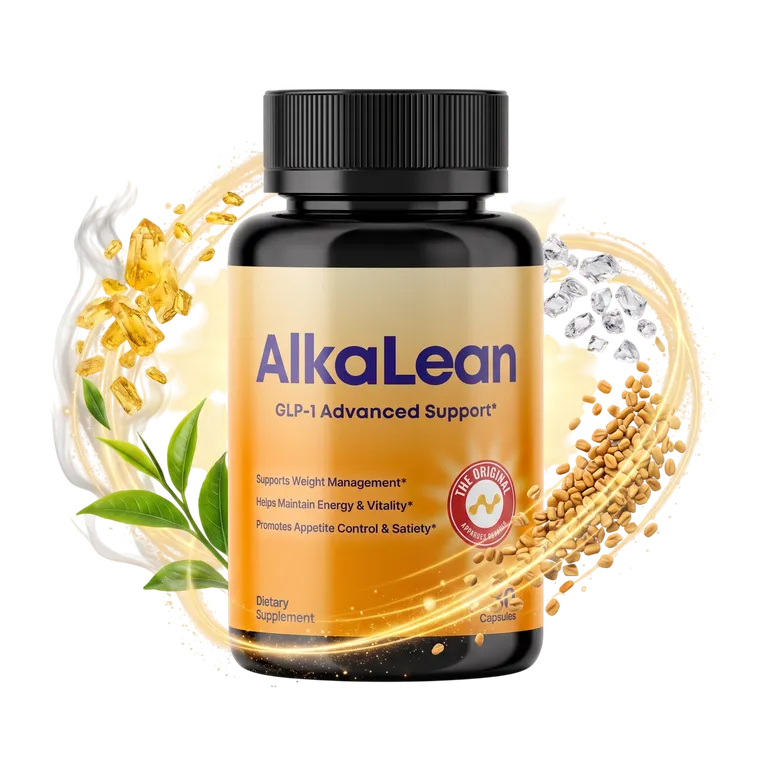
AlkaLean is built on apple cider vinegar and BHB salts rather than berberine. If the fullness-and-fermented-food angle is the one that fits your goals, the official store page has the current pricing and the 60-day money-back terms in one place.
See the AlkaLean OfferObjection one: "But berberine is nature's Ozempic"
This is the claim that launched a thousand videos, and it needs cooling down. Berberine and GLP-1 medications such as semaglutide are not remotely in the same weight class. GLP-1 drugs routinely produce double-digit percentage weight loss in controlled trials; berberine produces a couple of kilograms. Calling berberine "nature's Ozempic" is like calling a bicycle "nature's motorcycle" — both have wheels, and that is where the resemblance ends. Berberine is an interesting metabolic supplement with a real AMPK story. It is not a GLP-1 receptor agonist and it does not act on appetite hormones the way those medicines do. If you want the fuller picture on plant compounds marketed as natural GLP-1 helpers, our overview of whether natural GLP-1 supplements actually work lays out where the marketing outruns the data.
Objection two: "Can I just take both?"
People reach this idea quickly. Because berberine and apple cider vinegar work by different mechanisms — one on the metabolic switch, one on appetite and post-meal glucose — there is no obvious reason they would cancel out, and some people do stack them. The caveats are practical. No trial has tested the combination for extra weight loss, so any added benefit is theoretical. Berberine's drug interactions and blood-sugar-lowering effect are the real thing to watch: if you take medication, particularly for diabetes or blood pressure, stacking these without a clinician's input is where a harmless experiment can become a genuine risk of hypoglycaemia. ACV's own downside is local — the acid can erode tooth enamel and irritate the throat, which is one reason many people prefer a diluted or gummy form.

Objection three: "Which one has the stronger evidence?"
If forced to rank them purely on the weight of human research, berberine wins on volume — it has the meta-analyses and the clearer metabolic-marker story. Apple cider vinegar wins on plausibility for one specific job, appetite. But "stronger evidence" between two modest options is still a comparison of two small levers: neither has the scale, duration or consistency of the trials behind approved weight-loss medications.
Where AlkaLean fits — honestly
AlkaLean sits on the apple cider vinegar side of this comparison, not the berberine side. It is a once-daily weight-management formula built on apple cider vinegar and BHB salts, positioned around fullness and ketone support rather than AMPK activation. That means the fair way to think about it is the fair way to think about ACV generally: a modest, diet-dependent nudge that may help with appetite and the day-to-day discipline of eating less, not a metabolic rewrite and certainly not a GLP-1 substitute.
We will also repeat the label limitation we flag everywhere: AlkaLean does not publish milligram doses for its named ingredients, which makes a like-for-like potency comparison against a standardised berberine capsule harder than it should be. If your priority is a documented dose of a single studied compound, a plain berberine product is the more transparent buy; if it is the apple cider vinegar experience in a convenient once-daily format with a money-back window, that is the lane AlkaLean is built for. Either way, the diet is doing most of the work.
The bottom line
In the berberine vs apple cider vinegar match-up, there is no knockout. Berberine has the deeper research base and a genuine AMPK mechanism, with weight results around two to three kilograms and its strongest evidence in blood sugar and lipids. Apple cider vinegar has a thinner file but a believable appetite lever and weight results around two to four pounds. Both are modest, both need a calorie-aware diet to show up at all, and neither belongs in the same sentence as a GLP-1 medication. Pick the mechanism that fits your problem, expect a nudge rather than a miracle, and give it a fair few weeks against an honest food diary. The dosing, the interaction list and the pooled trial numbers are worked through in berberine for weight loss: benefits, risks and dosage.
Medical note: this article is general wellness information, not medical advice, and it summarises published evidence rather than making a product claim. Dietary supplements are not drugs and are not intended to diagnose, treat, cure or prevent any disease. Berberine can lower blood sugar and interacts with several medications — speak to a healthcare professional before starting either supplement, particularly if you are pregnant, nursing or taking medication.
Frequently asked questions
Is berberine or ACV better for weight loss?
On the current evidence berberine has the slight edge for weight, but the gap is small and neither is dramatic. Controlled trials of berberine tend to report roughly 2 to 3 kilograms of loss over three months, while apple cider vinegar trials report roughly 2 to 4 pounds over a similar window. Both results depend heavily on diet, and both are far below what GLP-1 medications produce.
How does berberine work compared to ACV?
Berberine activates an enzyme called AMPK, the cell's low-fuel switch, which nudges glucose uptake and fat metabolism. Apple cider vinegar works mainly through acetic acid, which appears to slow gastric emptying and improve fullness, so its main lever is appetite rather than direct metabolism. They act on different parts of the system, which is why some people are curious about combining them.
Can I take berberine and ACV together?
There is no established interaction between them, and because they work by different mechanisms some people use both. That said, no trial has tested the combination for added weight loss, so any benefit is theoretical. Berberine can affect blood sugar and interacts with several medications, so anyone on prescription drugs, especially for diabetes, should ask a clinician before stacking them.
Which has stronger clinical evidence?
Berberine has the larger body of human trials, including meta-analyses for blood sugar and lipids, though many studies are small and of modest quality. Apple cider vinegar has fewer and smaller weight trials, with appetite and post-meal glucose the better-supported effects. Neither has the size, length or consistency of evidence behind approved weight-loss medications.
References
- Xiong P, et al. — The effect of berberine supplementation on obesity indices: a dose-response meta-analysis and systematic review of randomized controlled trials (Complement Ther Clin Pract, 2020)
- Kondo T, et al. — Vinegar intake reduces body weight, body fat mass, and serum triglyceride levels in obese Japanese subjects (Biosci Biotechnol Biochem, 2009)
- NIH Office of Dietary Supplements — Dietary Supplements for Weight Loss
- NIH National Center for Complementary and Integrative Health — Berberine and weight loss
- Mayo Clinic — Apple cider vinegar for weight loss
Related reading
- Natural GLP-1 supplements: do they actually work?
- ACV gummies: the benefits and the real evidence
- Does apple cider vinegar curb appetite? What research says
- AlkaLean vs Ozempic: what to know before you compare them
See the current AlkaLean offer
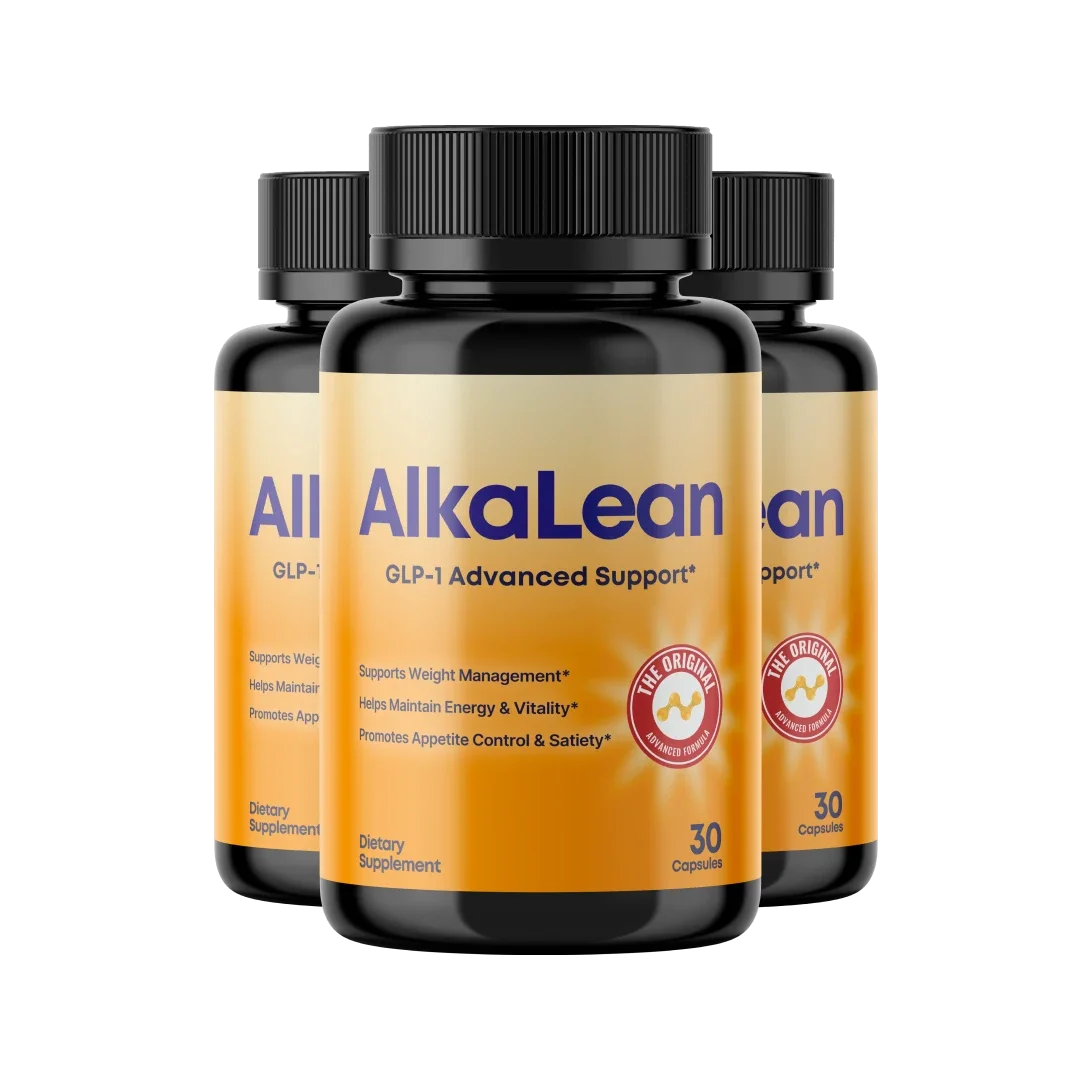
Apple cider vinegar and BHB salts in a once-daily format, sold from a single bottle upward with a 60-day money-back guarantee. A modest, diet-dependent nudge — described honestly, priced on the official store page.
Get Offer