AlkaLean vs Ozempic: What to Know Before You Compare Them
Quick Answer: Is AlkaLean the Same as Ozempic?
The AlkaLean vs Ozempic comparison is really a comparison between two different categories. Ozempic is a prescription semaglutide injection that averages roughly ten to fifteen kilograms of loss under medical care; AlkaLean is a no-prescription apple cider vinegar and BHB gummy with structure-function labeling and far smaller expected effects. Compare them as different tools, not as rivals.
- Category: Ozempic is a GLP-1 receptor agonist drug; AlkaLean is a dietary supplement, not a GLP-1 agonist.
- Scale: roughly 10–15 kg average for semaglutide versus about 2–3 kg reported for natural GLP-1 support.
- Access: Ozempic needs a prescription and monitoring; AlkaLean ships without one and carries a 60-day return.
If you have typed AlkaLean vs Ozempic into a search bar, you are almost certainly weighing a needle against a gummy, a pharmacy against a checkout page, and a big number against a small one. That is a fair thing to do, and it deserves a straight answer rather than a sales pitch dressed up as a comparison. The two products get mentioned in the same breath because they both live in the weight-management conversation, but they belong to different worlds, and pretending otherwise is how people end up disappointed.
This page lays out what each one is, what the trials actually measured, how far apart the results really are, and where a low-cost daily supplement can reasonably sit in a plan that also includes the unglamorous parts — food, movement, sleep and patience. No disease claims, no miracle framing, just the numbers and the honest gaps between them.
What Ozempic actually is
Ozempic is a brand name for semaglutide, a prescription medicine in the class called GLP-1 receptor agonists. It mimics a gut hormone your body already makes after eating, and by doing so it slows how quickly the stomach empties and turns down appetite signaling. It is administered by injection, prescribed by a clinician, and monitored over time, with dose changes and side-effect checks along the way. In the United States its labeled use centers on blood-sugar management in type 2 diabetes, with a related semaglutide product carrying a separate approval for chronic weight management. The point that matters for this comparison is simple: it is a drug, subject to drug rules, drug trials and drug oversight. The scale of that difference is documented in the STEP 1 trial of once-weekly semaglutide published in the New England Journal of Medicine (Wilding JPH, et al., 2021), and NCCIH summarises what complementary approaches can and cannot add under weight control.
That regulatory weight is the reason its results are so well documented. Large phase 3 programmes, thousands of participants, placebo controls and a full year or more of follow-up produced the figures everyone quotes. Those same programmes also documented the side effects — nausea, digestive upset and others — and the requirement for medical supervision. You do not get the upside without the system that comes with it.
What AlkaLean actually is
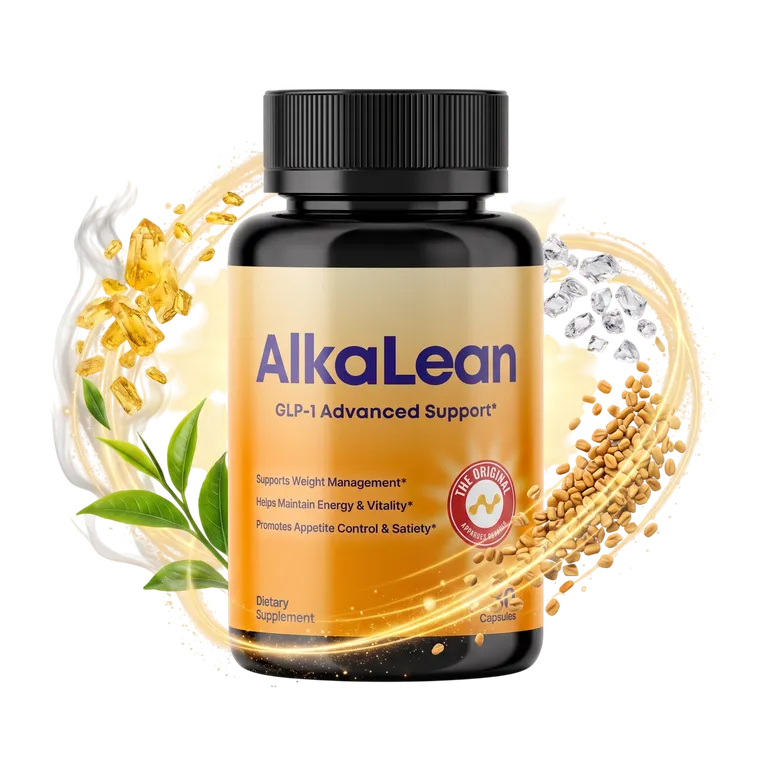
AlkaLean is a dietary supplement, sold as a once-daily gummy built on apple cider vinegar and BHB (beta-hydroxybutyrate) salts. It carries structure-function labeling, which is the regulatory category for supplements that describe support for normal body processes without claiming to diagnose, treat, cure or prevent disease. You buy it online, no prescription involved, and the current offer is backed by a 60-day money-back guarantee. If you want the granular version of what is on the panel, our full breakdown of the AlkaLean ingredient label walks through each component and, just as importantly, what the label does not disclose.
Apple cider vinegar and exogenous ketones are the headline ingredients, and both have a real if modest research literature behind them. Neither one is a GLP-1 receptor agonist. Neither one has been shown to do what semaglutide does. A supplement in this category is best understood as a small, optional nudge that rides on top of your ordinary habits, not an engine that pulls the weight down on its own.
AlkaLean vs Ozempic: the honest size of the difference
Here is the part the comparison articles usually blur. In its large trials, semaglutide produced average weight loss in the region of ten to fifteen kilograms over roughly a year, a result large enough to change clinical practice. Natural GLP-1 support supplements — the broad category AlkaLean's ingredients belong to — report averages closer to two to three kilograms, often over shorter windows and with weaker, smaller studies behind them. That is not a rounding difference. It is a difference of several times over, and it is the single most important fact on this page.
Why the gap? Mechanism and dose. A drug engineered to occupy a hormone receptor, delivered at a controlled dose by injection, acts on appetite biology directly and powerfully. A food-derived acid and a ketone salt, delivered in a gummy, act gently and indirectly, if at all, and mostly by nudging fullness or routine. Expecting the second to match the first is like expecting a brisk walk to match a marathon training block. Both are exercise. They are not the same dose of it.
| Factor | Ozempic (semaglutide) | AlkaLean (ACV + BHB gummy) |
|---|---|---|
| Regulatory category | Prescription drug (GLP-1 receptor agonist) | Dietary supplement, structure-function labeled |
| How you get it | Prescription + clinical monitoring | Bought online, no prescription |
| Typical reported effect | ~10–15 kg over about a year | ~2–3 kg for the broad ingredient class |
| Evidence base | Large phase 3 trials, thousands of people | Smaller, mixed supplement studies |
| Guarantee | Not applicable (a medicine) | 60-day money-back on the current offer |
Want the low-cost, no-prescription option?
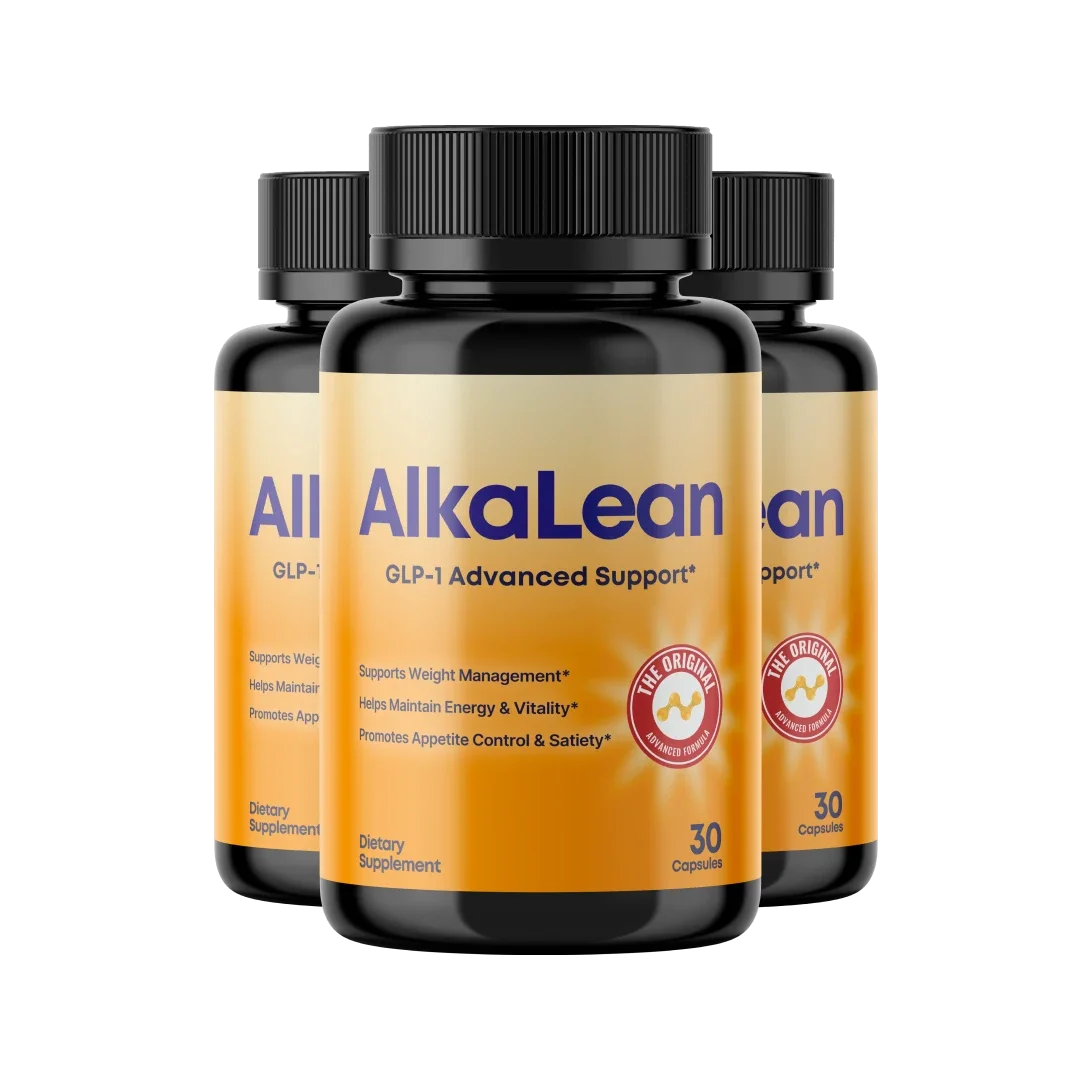
AlkaLean is a daily apple cider vinegar and BHB gummy, not a medicine. The official store page carries the current AlkaLean price, the single-bottle tier and the 60-day money-back terms so you can try it on your own timeline.
Get OfferObjection 1: “So a supplement is basically a cheaper Ozempic?”
This is the most common misread, and it is worth dismantling carefully. Cheaper is true. Equivalent is not. AlkaLean does cost a small fraction of what brand-name semaglutide costs per month, and it skips the prescription entirely. But a lower price on a different product is not a discount on the same product. You are not buying a generic Ozempic; you are buying a supplement that occupies a different, gentler part of the effort-and-outcome spectrum. If your budget rules out the drug, a supplement plus better habits is a reasonable and honest plan. It is just not the drug at a markdown.
Objection 2: “Can't I take the supplement instead of the injection?”
You can take a supplement instead of a prescription, in the sense that no one is stopping you. Whether it replaces the prescription is a different question, and the evidence says no. The two produce results that differ by an order of magnitude, so a like-for-like substitution sets you up to feel let down. The productive framing is not “instead of” but “where does each one fit?” For some people that means a clinician-led plan with a medicine; for others it means a low-cost daily routine and realistic goals. Anyone weighing a GLP-1 medicine should have that conversation with a prescriber, not with a blog. If you are researching the broader category, our overview of natural GLP-1 support supplements and what the research shows covers the plausible mechanisms and the modest numbers behind them.

Objection 3: “If the effect is so small, why bother?”
Because small and free-of-side-effects still has a place, as long as you price it honestly. A couple of kilograms is not nothing over a year, especially when it arrives as a byproduct of a routine that also nudges you toward drinking more water, eating a little less at dinner and staying consistent. The failure mode is not taking a modest supplement; it is expecting a modest supplement to do a large drug's job and then quitting on your habits when it does not. Kept in proportion, a daily gummy is a low-stakes addition. Oversold, it becomes a distraction from the things that actually move the number.
A supplement that helps a little and says so is a reasonable purchase. A supplement sold as a needle-free Ozempic is a marketing problem, no matter how good the ingredients are.
Where each one reasonably fits
If your situation calls for substantial medically-supervised weight loss, that is a conversation for a clinician, and a prescription GLP-1 medicine may be part of the answer. That path comes with monitoring, potential side effects and a cost structure, and it is not something a website can or should decide for you.
If you are looking for a low-cost, low-commitment daily habit to sit alongside sensible eating and movement — or you simply want to see whether an apple cider vinegar and BHB routine suits you before committing — that is where a supplement like AlkaLean is a defensible pick. Start with the single-bottle tier, give it a fair four to eight weeks, and judge it against a realistic bar rather than against a phase 3 drug trial. For a broader sanity check on the brand itself, read our honest review of whether AlkaLean is legit before you buy.
What neither product changes
Neither a drug nor a gummy rewrites the fundamentals. Both semaglutide trials and supplement studies ran on top of dietary guidance and activity, not instead of them, and the boring inputs still do most of the work: a modest calorie deficit, protein, sleep, steps and consistency measured in months. A medicine can make that deficit easier to hold; a supplement can, at best, offer a small nudge. Anyone selling either one as a replacement for the basics is selling the wrong story.
It is also worth being blunt about a limit on our side. The AlkaLean label does not publish a milligram figure for its named ingredients, which makes a precise dose-to-dose comparison against any studied intervention impossible. We would rather write that down than paper over it, and it is the same standard we would want applied to any product we review.
The bottom line
The AlkaLean vs Ozempic question has a clean answer once you stop treating them as competitors. Ozempic is a prescription GLP-1 medicine with large, well-documented effects and the oversight to match. AlkaLean is a no-prescription apple cider vinegar and BHB gummy with modest, supportive expectations and a 60-day guarantee. If you want the drug's results, that is a clinician's office, not a checkout page. If you want a low-cost daily habit with honest, smaller ambitions, a supplement is a reasonable place to start — priced, and expected, as exactly that.
Medical note: this article is general wellness information, not medical advice, and it compares categories rather than making a product claim. Dietary supplements are not drugs and are not intended to diagnose, treat, cure or prevent any disease. Ozempic and other prescription medicines should only be started, changed or stopped under the direction of a qualified clinician. Speak to a healthcare professional before making decisions about weight-management medicines or supplements.
Frequently asked questions
Is AlkaLean the same as Ozempic?
No. Ozempic is a prescription GLP-1 receptor agonist (semaglutide) that a clinician prescribes and monitors, while AlkaLean is a structure-function labeled apple cider vinegar and BHB gummy you buy without a prescription. They sit in different regulatory categories, work through different mechanisms, and produce effects that differ by an order of magnitude.
Can a supplement replace a GLP-1 drug?
Not on the evidence. Natural GLP-1 support supplements report average losses in the region of two to three kilograms, whereas semaglutide trials report roughly ten to fifteen kilograms under medical supervision. A gummy may complement sensible habits, but it does not replicate a prescription medicine and should not be positioned as a swap for one.
How much more effective is Ozempic than supplements?
In published trials the gap is large. Semaglutide averaged around ten to fifteen kilograms of weight loss over roughly a year, several times what appetite-support supplements report over similar or shorter windows. The honest framing is orders of magnitude, not a close race, and any page suggesting otherwise is overselling.
Is AlkaLean a cheaper alternative to Ozempic?
AlkaLean costs far less per month than brand-name semaglutide, and it needs no prescription, but cheaper is not the same as equivalent. It is a low-cost daily habit with modest expected effects and a 60-day money-back guarantee, not a discount version of a GLP-1 drug. Price it as a supplement, not a substitute.
References
Related reading
- Natural GLP-1 supplements: do they actually work?
- Berberine vs apple cider vinegar for weight management
- Is AlkaLean legit? An honest review
- AlkaLean ingredients: a full label breakdown
See the current AlkaLean offer
A single-bottle tier is the cheapest way to find out whether a daily apple cider vinegar and BHB gummy suits you. Pricing and the 60-day money-back terms are on the official store page.
Get Offer