Berberine for Weight Loss: Benefits, Risks and Dosage
Quick Answer: Does Berberine Work for Weight Loss?
Berberine for weight loss produces a small, narrow effect rather than a dramatic one. A 2020 dose-response meta-analysis of 10 randomised trials found lower BMI and a smaller waist, but no statistically significant drop in body weight itself. It works by activating the AMPK energy pathway, it is dosed around 500 mg up to three times daily, and its risks are real.
- The benefit: a modest, diet-dependent reduction in weight and BMI, with its strongest evidence in blood sugar and cholesterol markers.
- The dose: about 500 mg up to three times a day, roughly 1 to 1.5 grams total, split across meals because absorption is poor.
- The risk: gastrointestinal upset for many people, plus meaningful drug interactions and blood-sugar effects that make a clinician's sign-off wise.
Type berberine for weight loss into a search bar and you join roughly forty thousand people doing the same thing every month, a number that has been climbing steadily as short-video creators re-brand a centuries-old plant compound as a metabolic shortcut. The pitch is seductive: an over-the-counter capsule that behaves a little like a prescription weight-loss drug, minus the prescription. The reality is more interesting and a good deal more measured. Berberine is a genuine metabolic actor with real human evidence behind it, but the size of the weight effect, the way it has to be dosed, and the list of things it interacts with all deserve to be read before you buy. This is the honest version.
What berberine is, and why the searches keep climbing
Berberine is a bright-yellow alkaloid found in plants such as barberry, goldenseal, Oregon grape and tree turmeric. It has a long history in traditional Chinese and Ayurvedic practice, mostly for digestive complaints, but the modern interest is biochemical rather than folkloric. Researchers noticed that berberine improves several markers of metabolic health, and once those papers existed, the internet did what it does: it compressed a nuanced set of findings into a slogan. The "nature's Ozempic" framing is why the search volume for berberine keeps rising, and it is also why so much of what people believe about it is half right at best.
Here is the part the slogan skips. The most robust berberine evidence is not about the number on the scale at all — it is about fasting glucose, HbA1c and LDL cholesterol, where meta-analyses show clear improvements in people who start with elevated readings. Weight loss is a secondary, smaller effect that rides along on top of those metabolic changes. That distinction is the whole reason serious clinicians take the molecule seriously while rolling their eyes at the marketing.
Does berberine really help with weight loss? What the pooled trials show
This is the question that matters, so let us answer it with data rather than vibes. A 2020 dose-response systematic review and meta-analysis that pooled 10 randomised controlled trials of berberine looked specifically at obesity indices, and the pattern was narrower than the marketing suggests: BMI fell by about 0.29 kg/m² and waist circumference by about 2.75 cm against control, while body weight itself showed no statistically significant change (a pooled difference of roughly 0.1 kg, p = 0.79). A larger 2025 meta-analysis of placebo-controlled trials in metabolic syndrome found the same shape — waist circumference down about 3.3 cm, alongside lower triglycerides and fasting glucose — rather than a clear fall in scale weight.
That is a real signal, and it is worth stating plainly rather than either hyping or dismissing it. A smaller waist without a lower scale weight is a plausible body-composition shift, and for someone already eating in a deficit it can be a genuine tailwind — but it is not the “couple of kilograms” the marketing implies, and the pooled evidence does not show it. The honest framing is that berberine for weight loss is a supporting actor: it nudges the metabolic machinery in a helpful direction, but the diet is still doing the heavy lifting. Anyone who tells you a capsule can carry the whole load is selling a story, not summarising the science. If you want to see how it stacks up against the other natural-fat-burner headline act, our detailed comparison of berberine versus apple cider vinegar for weight management puts the two mechanisms and the two sets of trial numbers side by side.
How berberine works: the AMPK switch
Berberine's mechanism is genuinely elegant, which is part of why it fascinates researchers. Its headline action is to activate an enzyme called AMP-activated protein kinase, mercifully shortened to AMPK. Think of AMPK as the cell's low-fuel warning light. When cellular energy runs low, AMPK switches on and issues a set of standing orders: pull glucose in from the bloodstream, start burning fat for fuel, and stop laying down new fat stores. Berberine appears to flip that switch pharmacologically, which is why its effects concentrate on glucose handling and lipid metabolism.
Because AMPK sits upstream of so many metabolic processes, the same mechanism that improves blood sugar can also, indirectly, support a modest amount of fat loss. But "indirectly" and "modest" are load-bearing words here. Activating a metabolic pathway is not the same as creating a large calorie deficit, and the body has plenty of compensating levers. That gap between an interesting mechanism and a dramatic result is the single most misunderstood thing about berberine.
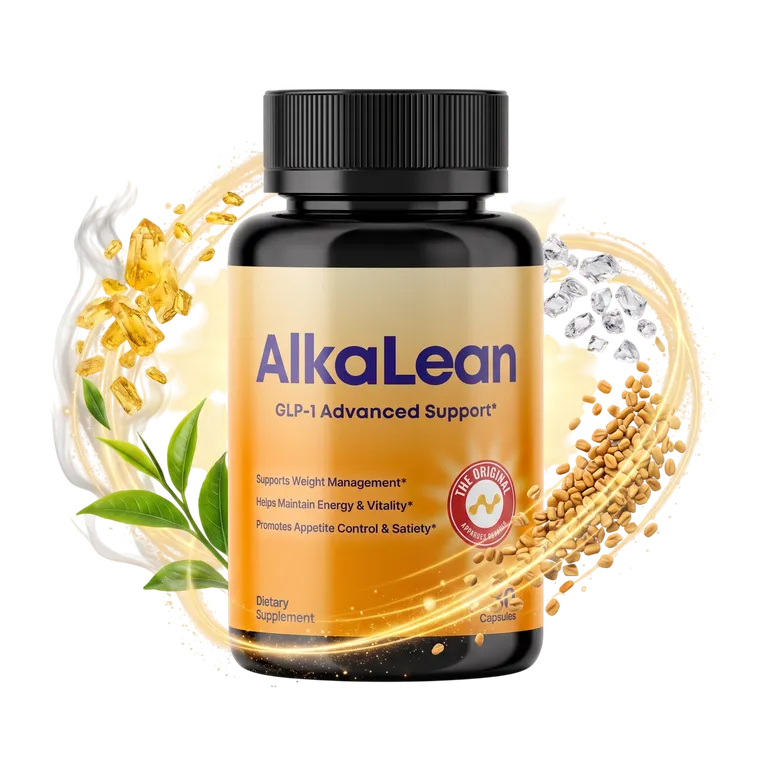
Prefer metabolic support without the berberine dosing routine?
AlkaLean is built on apple cider vinegar and BHB salts in a once-daily format, aimed at appetite and daily discipline rather than the three-times-a-day berberine schedule. The official store page has the current pricing and the 60-day money-back terms in one place.
See the AlkaLean OfferWhat is the right berberine dosage?
Dosing is where good intentions meet biochemistry, and berberine is fussy. The dose used across most clinical trials is 500 mg taken up to three times a day, which totals roughly 1 to 1.5 grams daily. Crucially, that total is split rather than swallowed at once, and there is a real reason for the split: berberine is poorly absorbed and has a short half-life in the body, so a single large dose largely passes through before it can do much. Spreading it across meals keeps a working concentration in circulation.
The practical protocol most experienced users and clinicians converge on is to start low and build. Begin with one 500 mg dose a day, taken with a meal, and give your gut a week or so to acclimatise before adding a second and then a third dose. Taking it with food both improves tolerance and lines the dose up with the post-meal glucose spike it is best at blunting. Going above roughly 1.5 grams a day is not supported by better outcomes — you mostly just buy yourself more of the side effects covered below. More is not better; consistency is.
| Question | The practical answer |
|---|---|
| Typical single dose | 500 mg |
| Frequency | Up to 3 times a day, with meals |
| Typical daily total | ~1 to 1.5 grams |
| How to start | One 500 mg dose daily, build up over 1–2 weeks |
| Ceiling | Above ~1.5 g/day adds side effects, not results |
| Fair trial length | Several weeks, judged against a food diary |
What are berberine's side effects and interactions?
This is the section the enthusiastic videos skip, and it is the most important one. Berberine's common side effects are gastrointestinal, and they are common enough that you should expect them rather than be surprised by them. Cramping, diarrhoea, constipation, gas and general stomach upset are all typical, usually worst in the first week and often easing as the gut adjusts — which is exactly why the start-low approach is worth the patience.
The more serious issue is not the stomach; it is the pharmacy. Berberine inhibits a family of liver enzymes called CYP450 that the body uses to clear many medications. Block those enzymes and blood levels of the affected drug can rise, sometimes into a range that causes problems. Berberine also lowers blood sugar on its own, so stacking it on top of diabetes medication can push glucose too low. It can interact with blood thinners, some blood-pressure medicines, and certain immunosuppressants and antibiotics. It is also not recommended during pregnancy or breastfeeding, and there is a specific caution about giving it to newborns. The plain-English version: if you take any prescription medication, berberine is a "ask your doctor first" supplement, not a "grab it off the shelf" one.
Berberine is not a shortcut and it is not a free lunch. It is a real metabolic compound with a modest, diet-dependent weight effect and a genuine interaction profile. Treated as a supporting nudge with medical sign-off, it is reasonable. Treated as "nature's Ozempic," it will disappoint you and possibly interact with your medicine cabinet.
Myth check: three claims worth cooling down
"Berberine is nature's Ozempic." This is the claim that built the hype, and it needs deflating. GLP-1 medications such as semaglutide routinely produce double-digit percentage weight loss in controlled trials by acting directly on appetite hormones. Berberine produces a couple of kilograms by nudging AMPK. Both are metabolic, and that is roughly where the resemblance ends. If you are specifically drawn to the "natural alternative to a weight-loss drug" idea, read our sober look at whether natural GLP-1 supplements actually work before you spend anything.
"I can take berberine instead of dieting." The trials say the opposite. The weight effect is diet-dependent; it shows up on top of a calorie-aware diet and largely vanishes without one. Berberine is a lever, not an engine.
"If a little works, more will work better." Not here. Above roughly 1.5 grams a day the evidence does not improve, but the gastrointestinal side effects reliably do. The right move is a steady, tolerable dose taken consistently, not a megadose taken heroically.

Does AlkaLean include berberine-like support — honestly?
Because this site covers AlkaLean, it is fair to ask where it sits in this picture. The straight answer: AlkaLean is not a berberine product. It is built on apple cider vinegar and BHB ketone salts, and it is aimed at appetite, fullness and the daily discipline of eating a little less rather than at the AMPK pathway berberine acts on. It sits in the same broad "metabolic support" aisle, and it shares berberine's honest ceiling — both are diet-dependent nudges rather than fat-loss drugs — but the mechanisms are different, and it would be misleading to call AlkaLean a berberine alternative on a like-for-like basis.
There is also a transparency point we flag on every AlkaLean page: the label does not publish milligram doses for its named ingredients. That matters here because berberine's whole evidence base is built on a specific, disclosed dose. If a documented, standardised dose of a single studied compound is what you are after, a plain berberine capsule is the more transparent buy, and you can build the 500-mg-up-to-three-times-a-day routine exactly as the trials did. If instead you want the apple cider vinegar and ketone-support experience in a once-daily format with a money-back window, that is the lane AlkaLean is built for. Either way, the diet is doing most of the work.
The bottom line on berberine for weight loss
Berberine for weight loss is a real thing, just a narrower one than the slogans claim. The pooled trials found a lower BMI and a smaller waist but no significant drop in body weight; the mechanism is a genuine AMPK story; the dose is around 500 mg up to three times a day; and the risks — gastrointestinal upset plus meaningful drug interactions and blood-sugar effects — are real enough to warrant a clinician's input if you take any medication. Read against the marketing, that is a disappointment. Read against what a supplement can honestly do, it is a reasonable, evidence-backed nudge. Pick your framing accordingly, give it a fair several weeks against a real food diary, and do not expect it to replace the diet that makes it work.
Medical note: this article is general wellness information, not medical advice, and it summarises published evidence rather than making a product claim. Dietary supplements are not drugs and are not intended to diagnose, treat, cure or prevent any disease. Berberine can lower blood sugar and interacts with several medications — speak to a healthcare professional before starting it, particularly if you are pregnant, nursing, or taking any prescription medicine.
Frequently asked questions
Does berberine really help with weight loss?
It can help, but not in the way the marketing implies. A 2020 dose-response meta-analysis pooling 10 randomised trials found berberine lowered BMI by about 0.29 kg/m2 and waist circumference by about 2.75 cm, while body weight itself showed no statistically significant change. It is a supporting nudge alongside a calorie-aware diet, not a fat-loss drug.
What is the right berberine dosage?
The dose used in most trials is 500 mg taken up to three times a day, for a total of around 1 to 1.5 grams daily. Because berberine is poorly absorbed and short-acting, it is split across meals rather than taken all at once. Most people start with one 500 mg dose a day and build up to let the gut adjust; going above roughly 1.5 grams a day is not supported by better results.
What are berberine's side effects and interactions?
The common side effects are gastrointestinal: cramping, diarrhoea, constipation and stomach upset, usually worst in the first week. The bigger concern is drug interactions. Berberine inhibits liver CYP enzymes and can raise blood levels of several medications, and it lowers blood sugar, which can compound diabetes drugs. It is not recommended in pregnancy or breastfeeding. Anyone on prescription medicine should ask a clinician before starting.
Does AlkaLean include berberine-like support?
AlkaLean is built on apple cider vinegar and BHB ketone salts rather than berberine, so it is not a berberine product. It sits in the same broad metabolic-support category and is aimed at appetite and daily discipline rather than the AMPK pathway berberine acts on. AlkaLean also does not publish milligram doses, so if a documented berberine dose is your goal, a standalone berberine capsule is the more transparent buy.
References
- Xiong P, et al. — The effect of berberine supplementation on obesity indices: a dose-response meta-analysis and systematic review of randomized controlled trials (Complement Ther Clin Pract, 2020)
- NIH National Center for Complementary and Integrative Health — Berberine and weight loss
- NIH Office of Dietary Supplements — Dietary Supplements for Weight Loss
- Liu D, et al. — Efficacy and safety of berberine on the components of metabolic syndrome: a systematic review and meta-analysis of randomized placebo-controlled trials (Front Pharmacol, 2025)
- MedlinePlus — Berberine: uses, side effects and interactions
Related reading
- Berberine vs apple cider vinegar for weight management
- Natural GLP-1 supplements: do they actually work?
- Natural appetite suppressants, ranked by evidence
- The best weight loss pills of 2026, reviewed honestly
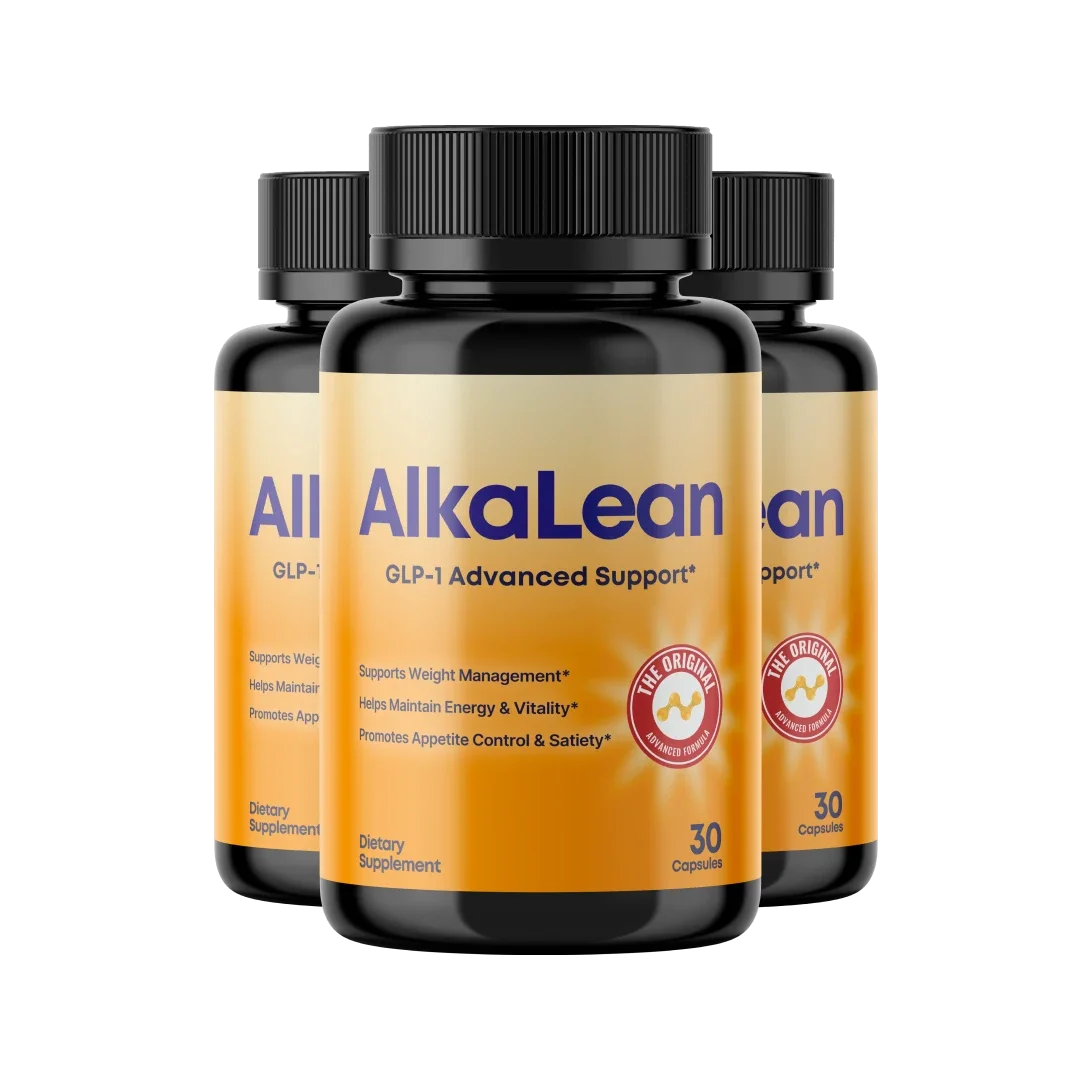
See the current AlkaLean offer
Apple cider vinegar and BHB salts in a once-daily format, sold from a single bottle upward with a 60-day money-back guarantee. A modest, diet-dependent nudge — described honestly, priced on the official store page.
Get Offer