Does Apple Cider Vinegar Curb Appetite? What Research Says
Quick Answer: Does Apple Cider Vinegar Curb Appetite?
The most plausible answer is a qualified yes: apple cider vinegar can modestly curb appetite, mainly because its acetic acid slows how quickly the stomach empties, which prolongs fullness after a meal. The effect is small and varies between people, works best paired with protein and fibre, and is no substitute for GLP-1 therapy.
- The mechanism: acetic acid slows gastric emptying, so a meal lingers and satiety signals last longer.
- The size: a modest bump in fullness, not a dramatic loss of hunger, and inconsistent between people.
- The honest test: take it with meals and judge it over two to four weeks against your own eating diary.
Ask the internet whether vinegar can help you eat less and you will get two loud answers: it is a miracle, or it is a myth. The truth sits, as usual, in the boring middle. So let us take the question people actually search — does apple cider vinegar curb appetite, and if so by how much — and answer it with the research rather than the hype. Of all the claims made for ACV, appetite is the one with the most believable mechanism and the least exaggeration required. That does not make it a shortcut, but it does make it worth understanding properly before you dismiss it or oversell it.

What "curbing appetite" actually means
Appetite is not one dial. It is a bundle of signals — stomach stretch, blood sugar, gut hormones, habit, stress and sleep — that together decide whether you feel like eating. When we ask whether something "curbs appetite," we are really asking whether it nudges one or more of those signals toward fullness. That is a lower bar than "burns fat," and it is exactly why the appetite claim for vinegar is more defensible than most of the others. ACV is not being credited with a metabolic miracle here; it is being credited with a small tug on the fullness lever. Keeping that framing honest is half the battle, because it stops you expecting a hunger switch and lets you notice a genuine, modest effect if it is there.
Does apple cider vinegar curb appetite? What the studies actually show
Here is the evidence, plainly. The research on whether apple cider vinegar curbs appetite is not enormous, but the pieces that exist point in a consistent, modest direction. Small human studies have found that taking vinegar with a meal can increase ratings of fullness and, in some cases, reduce the number of calories people eat later in the day. The most cited work involves acetic acid taken alongside a carbohydrate meal, after which participants report feeling fuller and show a flatter blood sugar and insulin response. A number of these studies are small, short and use standardised meals rather than free-living diets, so they show the effect is real without telling you how large it is in your actual kitchen.
The satiety and post-meal-glucose angle is why appetite is the ACV benefit we treat as the most plausible on this site. It is not a claim that requires bending the data. For the broader case — where ACV helps, where it does not, and where the marketing runs ahead of the science — our overview of ACV gummies and the real evidence behind them is the companion piece to this one.
The mechanism: acetic acid and gastric emptying
Mechanism is what separates a plausible effect from a placebo, so it is worth a paragraph. The leading explanation is delayed gastric emptying. Acetic acid appears to slow the rate at which the stomach passes its contents into the small intestine. When that happens, three things follow: the meal physically stays in the stomach longer, so stretch-based fullness lasts; the sugars in the meal are absorbed more gradually, so the blood glucose curve is flatter; and the slower rise-and-fall may reduce the reactive dip that can trigger the next bout of hunger. There is also preliminary interest in acetic acid influencing appetite-related signalling more directly, but the gastric-emptying route is the one with the clearest support. It is a modest, mechanical effect — and modest, mechanical effects are exactly the kind that survive scrutiny.
Appetite is the one apple cider vinegar claim you do not have to squint at. There is a real mechanism, a measurable signal, and a sensible dose. What there isn't is a dramatic effect — and pretending otherwise is where honest information turns into a sales pitch.
How big is the effect, really?
This is where honesty earns its keep. Yes, ACV can nudge appetite; no, it will not override a genuinely hungry day, a stressful evening or a habit of eating past fullness. In the studies, the increase in satiety is measurable but modest, and the reduction in later calorie intake, where it shows up at all, is small. Individual variation is large: some people notice a clear "I'm not that interested in seconds" effect, others feel nothing. And crucially, the appetite nudge only translates into weight change if it actually lowers how much you eat over the week — if the calories you skip at lunch reappear at dinner, the scale will not move. Think of it as a small, unreliable ally, not a dependable tool.


Want the appetite angle without the vinegar burn?
AlkaLean packages apple cider vinegar with BHB in a once-daily format, aimed at the fullness-support angle described here. The official store page has current pricing and the 60-day money-back terms if you want to try it against your own diary.
See the AlkaLean OfferHow much ACV, and when to take it
Dose and timing are where people accidentally sabotage themselves. The studies generally use roughly one to two tablespoons of vinegar — about 15 to 30 millilitres — taken with or just before a meal. That supplies a few grams of acetic acid, which is the amount tied to the fullness and post-meal glucose effects. Taking far more does not scale the benefit and does scale the downsides: undiluted vinegar can erode tooth enamel, irritate the throat and upset the stomach. Timing matters because the mechanism is meal-linked — the point is to slow the emptying of a meal, so an empty-stomach shot at bedtime misses the purpose. If you prefer a gummy or capsule, the aim is the same target amount of acetic acid without the burn; our note on the best time to take ACV gummies walks through the timing in more detail.
| Question | Honest answer |
|---|---|
| Does it work? | Modestly, mainly by prolonging fullness after meals |
| How much? | ~1–2 tablespoons (15–30 ml), a few grams of acetic acid |
| When? | With or just before a meal — the effect is meal-linked |
| How long to judge it? | Give it 2–4 weeks against an eating diary |
| Downsides of overdoing it? | Enamel erosion, throat irritation, reflux |
| Is it a GLP-1 replacement? | No — a different, far smaller league |
Objection: "isn't it just making you feel a bit sick?"
This is a fair challenge and worth answering directly. Could some of the "reduced appetite" simply be mild nausea from a sour, acidic drink? For a few people, honestly, yes — and that is not a mechanism anyone should chase. But the controlled work that pairs acetic acid with a meal and measures gastric emptying and blood glucose shows a physiological change that is not explained by queasiness alone. The distinction matters practically: appetite reduction that comes from genuine, gentle fullness is useful and sustainable, while appetite reduction that comes from feeling slightly ill is a reason to stop, not continue. If a dose makes you feel unwell, it is too much or not for you. Comfortable fullness is the target; nausea is a red flag.
Pairing ACV with protein and fibre
The smartest way to use any appetite nudge is to stack it with the levers that do the heavy lifting. Protein and fibre are the two most reliable satiety tools in nutrition, full stop — protein because it is the most filling macronutrient per calorie, fibre because it adds bulk and slows digestion. Apple cider vinegar sits alongside these as a minor supporting act, not a replacement. A meal built on adequate protein and fibre, taken with a sensible amount of vinegar, gives you three overlapping fullness signals instead of one fragile one. That is how to get the most out of a modest ingredient: put it in good company rather than asking it to work alone.
Why this is not a GLP-1 substitute
One boundary has to be stated plainly, because the marketing keeps blurring it. Apple cider vinegar is not a natural version of a GLP-1 medication. GLP-1 drugs act powerfully on the gut-brain appetite system and produce large, sustained reductions in hunger and body weight in controlled trials. ACV's appetite effect is a small, meal-linked nudge, an order of magnitude away. Both touch fullness, but so do a glass of water and a bowl of soup — shared direction is not shared strength. If you want the honest comparison between food-based "GLP-1 support" claims and the actual medications, our piece on whether natural GLP-1 supplements work lays it out without the hype.
Where AlkaLean fits — honestly
AlkaLean is built on exactly the mechanism this article is about: it pairs apple cider vinegar with BHB in a once-daily format and leans on the appetite-and-fullness angle rather than any fat-burning promise. On this website we will not dress that up. If the modest, meal-linked fullness effect described here is the thing you are after, a convenient ACV format is a reasonable way to get it without measuring vinegar into a glass. If you are hoping for something that erases hunger, no ACV product — AlkaLean included — is going to deliver that, and we would rather say so now than sell you a story.
The one caveat we repeat everywhere applies here too: AlkaLean does not publish a milligram dose for its apple cider vinegar, so you cannot confirm from the label that it hits the few-grams-of-acetic-acid target the appetite studies use. That is a real limitation, and it is your call whether it matters for a modest, diet-dependent effect you are going to test on yourself anyway.
The bottom line
So, does apple cider vinegar curb appetite? Modestly, and for the right reason: acetic acid slows gastric emptying, prolongs fullness and flattens the post-meal blood sugar curve. The effect is small, varies between people, and only helps your weight if it actually reduces what you eat across the week. Use one to two tablespoons with meals, or an equivalent gummy or capsule, give it two to four weeks against an honest diary, and pair it with protein and fibre for real staying power. Treat it as a small, useful ally — not a hunger switch, and never a stand-in for GLP-1 therapy.
Medical note: this article is general wellness information, not medical advice, and it summarises published evidence rather than making a product claim. Dietary supplements are not drugs and are not intended to diagnose, treat, cure or prevent any disease. Apple cider vinegar can affect blood sugar and interact with some medications — speak to a healthcare professional before regular use, particularly if you are pregnant, nursing, diabetic or taking medication.
Frequently asked questions
Does apple cider vinegar reduce hunger?
For some people, modestly. The most plausible mechanism is that the acetic acid in vinegar slows how fast the stomach empties, so a meal stays with you a little longer and fullness lasts. Studies that measure this find small increases in satiety rather than a dramatic loss of appetite, and the effect is inconsistent from person to person and depends on the meal it is taken with.
How does ACV affect appetite?
Mainly through acetic acid slowing gastric emptying. When food leaves the stomach more gradually, the post-meal blood sugar rise is flatter and fullness signals persist, which can reduce the urge to eat again soon. Some early research also links acetic acid to appetite-related signalling, but the gastric-emptying route is the best-supported explanation for the effect.
How much ACV is needed for appetite effects?
Studies commonly use roughly one to two tablespoons of vinegar, about 15 to 30 millilitres, taken with or just before a meal, which supplies a few grams of acetic acid. More is not better and can irritate the throat and teeth. Gummy and capsule formats aim to deliver a comparable amount of acetic acid without the straight-vinegar burn.
Can ACV help with cravings and snacking?
It may help indirectly by prolonging fullness after meals, which can reduce the between-meal grazing that drives a lot of extra calories. It is not a craving eraser, though, and it works best as one small tool alongside adequate protein, fibre and sleep. Judge it honestly over two to four weeks against your own eating diary.
References
- Darzi J, et al. — Influence of the tolerability of vinegar as an oral source of short-chain fatty acids on appetite control and food intake (Int J Obes, 2014)
- Ostman E, et al. — Vinegar supplementation lowers glucose and insulin responses and increases satiety after a bread meal in healthy subjects (Eur J Clin Nutr, 2005)
- Mayo Clinic — Apple cider vinegar for weight loss
- NIH National Center for Complementary and Integrative Health — Apple cider vinegar
- NIH Office of Dietary Supplements — Dietary Supplements for Weight Loss
Related reading
- ACV gummies: the benefits and the real evidence
- Apple cider vinegar gummies and weight loss: the real story
- The best time to take ACV gummies for appetite support
- Natural GLP-1 supplements: do they actually work?
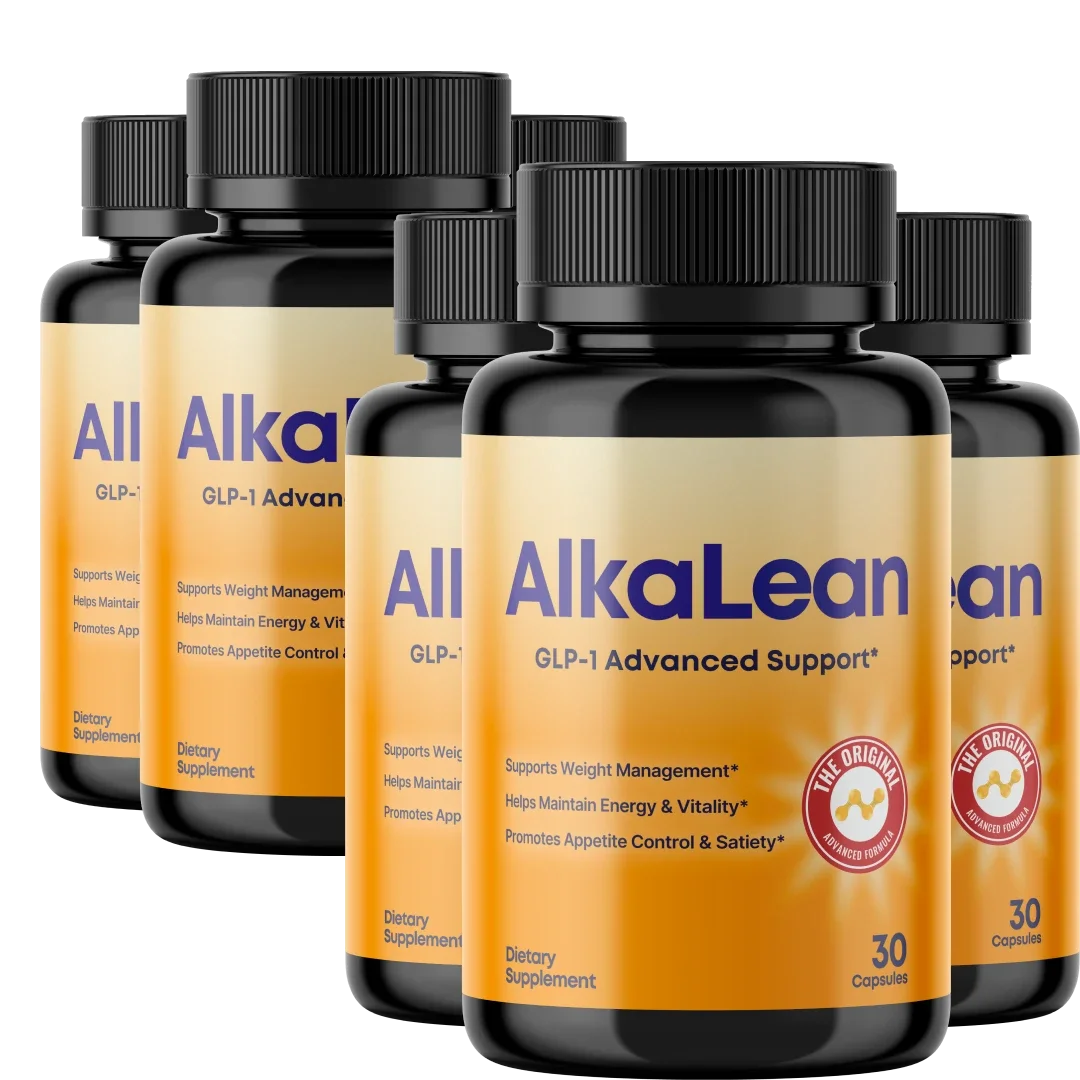
See the current AlkaLean offer
Apple cider vinegar and BHB in a once-daily format, built around the fullness-support angle, sold from a single bottle upward with a 60-day money-back guarantee. Pricing and supply sizes are on the official store page.
Get Offer