Natural Appetite Suppressants Ranked by the Evidence
Quick Answer: What Is the Best Natural Appetite Suppressant?
The strongest natural appetite suppressant by evidence is a combination, not a single item: protein and soluble fibre lead, because both reliably raise fullness and cut later intake. Apple cider vinegar, probiotics and GLP-1-supporting foods follow as modest, supporting players. Stacking several together beats relying on any one.
- Top tier: protein and soluble fibre, the two most proven satiety tools in nutrition.
- Support tier: apple cider vinegar and gut-focused probiotics for a smaller, gentler nudge.
- Honest ceiling: natural means modest — a helpful edge on hunger, not a hunger switch.
Type natural appetite suppressant into a search bar and you will be promised the moon: teas that melt fat, capsules that erase hunger, a single spice that "flips a switch." Real appetite science is quieter and far more useful. Hunger is a system of signals — stomach stretch, blood sugar, gut hormones, protein status, sleep and stress — and the things that genuinely dampen it do so by tugging on one or more of those levers. This guide ranks the popular natural options strictly by the weight of evidence behind them, tells you honestly how big each effect is, and shows how a gut- and fullness-focused formula like AlkaLean fits into a sensible stack. No cure claims, no miracle language — just what actually moves the fullness needle.
How to judge a natural appetite suppressant honestly
Before ranking anything, agree on the yardstick. A real appetite suppressant should do one of three measurable things: increase how full you feel after a meal, reduce how much you eat at the next meal, or lengthen the gap before hunger returns. Anything that cannot point to at least one of those, in actual human studies, is marketing. Just as important is the size of the effect, because "statistically significant" and "you will notice it" are different claims. Throughout this guide we grade each option on both mechanism and magnitude, and we keep to structure-function language — supporting satiety, supporting fullness — because foods and supplements are not drugs and cannot claim to treat or cure anything.
Rank 1: Protein — the most reliable natural appetite suppressant
If there is a king of natural satiety, it is protein. Calorie for calorie it is the most filling macronutrient, and the evidence is deep and consistent: higher-protein meals increase fullness hormones, blunt the hunger hormone ghrelin, and reliably reduce how much people eat later in the day. There is also a metabolic bonus, because digesting protein burns slightly more energy than digesting fat or carbohydrate. The practical move is simple — anchor every meal with a solid protein source and you raise your fullness floor for the whole day. No pill in this guide out-performs the humble habit of eating enough protein, which is why it sits at the top of the ranking without qualification.
Rank 2: Soluble fibre — fullness through bulk
Fibre earns the number-two slot on the same logic that makes it boring: it works by physics. Soluble fibres absorb water and form a gel, adding bulk in the stomach and slowing digestion so a meal feels larger and lasts longer. Viscous fibres like glucomannan, psyllium and oat beta-glucan have the best data for increasing satiety and trimming intake, and they carry blood-sugar and gut-health benefits alongside. The rules are what people get wrong: take it with plenty of water, ideally before a meal, and build up gradually to avoid bloating. Fibre plus protein together is the single most effective natural satiety combination there is — two independent fullness signals stacked on top of each other.
Rank 3: Apple cider vinegar — a small, real mechanical nudge
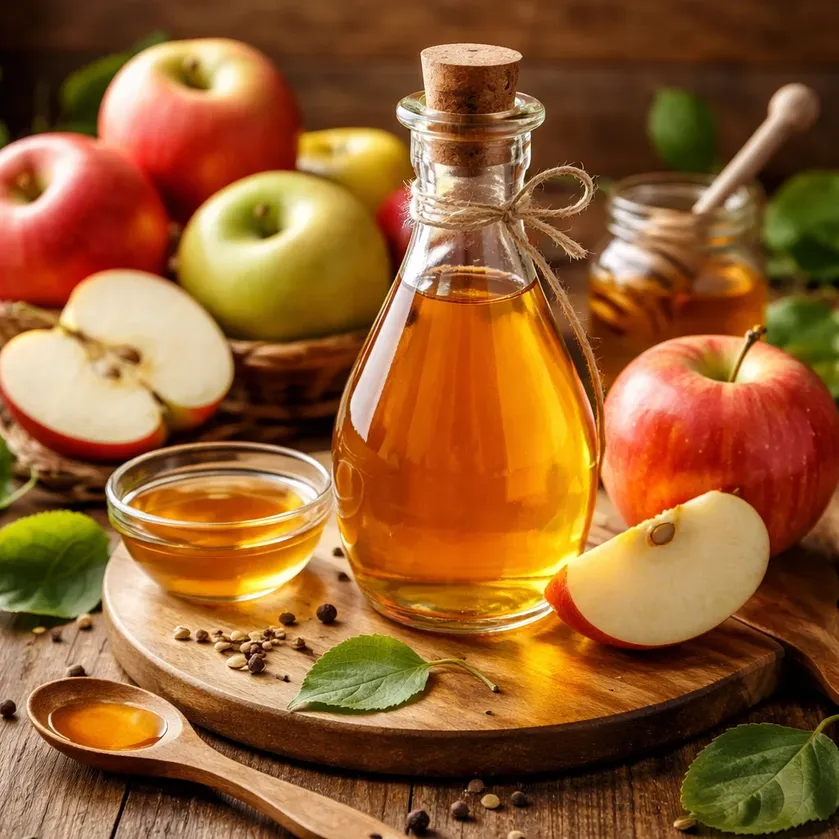
Apple cider vinegar is where the marketing gets loudest and the honest ranking gets careful. There is a genuine mechanism: the acetic acid in vinegar appears to slow gastric emptying, so a meal stays in the stomach longer, fullness persists, and the post-meal blood-sugar rise is flatter. Small human studies show a measurable but modest bump in satiety, not a dramatic loss of hunger, and the effect varies a lot between people. It is a supporting act, not a headliner — best taken with a meal and paired with the protein and fibre above. If you want the full picture of exactly what the research does and does not show, our detailed look at what the research says about ACV and appetite is the companion to this ranking.
Rank 4: Probiotics and the gut-appetite connection
Probiotics are the most exciting and the most uncertain entry on this list. The gut microbiome genuinely influences the appetite hormones that tell your brain when to stop eating, shapes how blood sugar responds after meals, and even affects how efficiently calories are pulled from food. That gives certain probiotic strains a plausible route to a modest effect on hunger and cravings. The honesty required here is that the evidence is still developing, the effects are strain-specific, and the size is small. Probiotics are best understood as a gentle, gut-level support that may help the rest of your stack work a little better — not as a standalone suppressant you can lean on.
Want the ACV-and-gut angle in one daily capsule?
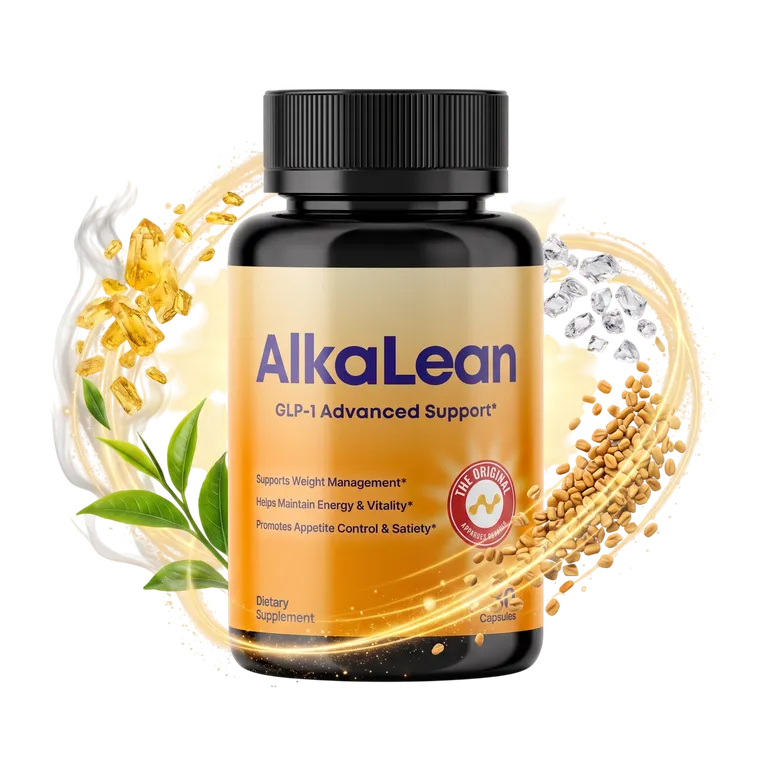
AlkaLean brings the apple cider vinegar mechanism from this ranking into a once-daily, caffeine-free format alongside BHB, built around appetite and fullness support. The official store page has current pricing and the 60-day money-back terms if you want to test it inside your own protein-and-fibre routine.
See the AlkaLean OfferRank 5: GLP-1-supporting foods — the honest version
"Natural GLP-1" is the phrase of the moment, so it deserves a careful place on the list. GLP-1 is a real gut hormone that signals fullness, and certain foods — protein, soluble fibre, healthy fats and fermented foods — do genuinely stimulate its release to some degree. That is worth knowing and worth eating for. What it is not is a food-based copy of a GLP-1 medication; the drugs deliver a far larger, more sustained effect than any meal can. So the sensible reading is that GLP-1-supporting foods overlap heavily with the protein and fibre already at the top of this ranking, which is exactly why they help. For the sober comparison between the food claims and the actual drugs, our piece on whether natural GLP-1 supplements really work lays out the gap without the hype.
The evidence ranking at a glance
Here is the whole list in one view, graded on how strong the evidence is and how big the real-world effect tends to be.
| Rank | Suppressant | Evidence | Honest effect size |
|---|---|---|---|
| 1 | Protein | Strong & consistent | Large, reliable fullness |
| 2 | Soluble fibre | Strong | Solid, needs water & timing |
| 3 | Apple cider vinegar | Moderate, small studies | Modest, meal-linked |
| 4 | Probiotics | Emerging, strain-specific | Small, gentle, indirect |
| 5 | GLP-1-supporting foods | Overlaps protein/fibre | Real but not drug-like |
The best natural appetite suppressant is a well-built meal: enough protein, enough fibre, and a couple of small helpers on top. Everything sold as a single miracle ingredient is borrowing credibility from that plate.
Myth: "a natural suppressant should kill my hunger completely"
This is the expectation that ruins the whole category. Nothing on the natural shelf switches hunger off, and you would not want it to — hunger is a normal signal, not an enemy. What good natural suppressants do is take the edge off: fewer between-meal grazes, feeling satisfied on a slightly smaller plate, hunger arriving an hour later than it used to. Those small shifts are exactly what make a modest calorie deficit sustainable over months. If you judge a natural appetite suppressant against the fantasy of zero hunger, everything fails. Judge it against "did I find it a little easier to eat less this week," and the useful tools start to shine.
Myth: "apple cider vinegar alone will do it"
ACV is real but oversold, and treating it as a solo act is the classic mistake. The acetic-acid mechanism is genuine, but it is a small, meal-linked nudge that only shows up in your weight if it actually reduces what you eat across the week. Take a shot of vinegar and then eat the same amount at the next meal and nothing changes. The right frame is ACV as a supporting player on top of a protein-and-fibre base — which is precisely how it should be used, and precisely how a formula built around it should be positioned. If the between-meal snacking is your real problem, the vinegar helps a little; the protein and fibre do the heavy lifting.
Where AlkaLean fits in the stack
AlkaLean is best understood as a support-tier player in the ranking above, not a top-of-the-list heavyweight. It brings the apple cider vinegar mechanism — the acetic-acid, gastric-emptying angle — into a convenient, once-daily, caffeine-free format alongside BHB, aimed squarely at appetite and fullness support. It is not sold as a hunger switch on this site, and we will not pretend it is one. The sensible way to use it is inside a diet that already gets protein and fibre right, where a gentle ACV-and-gut nudge can add a little extra staying power. For a wider view of where it sits against the whole shelf, see our roundup of the best weight loss pills of 2026.
The caveat we repeat everywhere applies here too: AlkaLean does not publish a milligram dose for its apple cider vinegar, so you cannot confirm from the label that it hits the amounts used in the appetite studies. That is a real limitation for a modest, diet-dependent effect, and it is your call whether it matters for something you are going to test on yourself over a few weeks anyway.
The bottom line
Ranked strictly by evidence, the best natural appetite suppressant is not one thing but a stack: protein and soluble fibre at the base, with apple cider vinegar, gut-focused probiotics and GLP-1-supporting foods as modest helpers on top. Every one of these works by nudging fullness, not by erasing hunger, and every one only pays off if it lowers what you actually eat across the week. Build the protein-and-fibre foundation first, add the small helpers second, give any change two to four weeks against an honest eating diary, and treat convenient formats like AlkaLean as the supporting nudge they are — useful, gentle, and never a substitute for the plate.
Medical note: this article is general wellness information, not medical advice, and it summarises published evidence rather than making a product claim. Dietary supplements and foods are not drugs and are not intended to diagnose, treat, cure or prevent any disease. Apple cider vinegar can affect blood sugar and interact with some medications, and high-fibre supplements need adequate water — speak to a healthcare professional before regular use, particularly if you are pregnant, nursing, diabetic or taking medication.
Frequently asked questions
What is the best natural appetite suppressant?
By the weight of evidence, protein and soluble fibre are the two strongest natural appetite suppressants, because both reliably increase fullness and reduce later calorie intake in controlled studies. Protein is the most satiating macronutrient per calorie, and fibre adds bulk and slows digestion. Apple cider vinegar, probiotics and GLP-1-supporting foods sit below them as smaller, supporting players. The most effective approach is to stack several of these together rather than relying on any single one.
Does apple cider vinegar suppress appetite?
Modestly, for some people. The most plausible mechanism is that the acetic acid in vinegar slows how fast the stomach empties, so a meal lingers and fullness lasts a little longer. Small human studies show a measurable but modest increase in satiety rather than a dramatic drop in hunger, and the effect varies between individuals. It works best taken with a meal and paired with protein and fibre, not as a standalone hunger switch.
Can probiotics reduce hunger?
There is a plausible route, though the evidence is still developing. The gut microbiome influences the appetite hormones that signal fullness to the brain and affects how blood sugar responds after meals, so certain probiotic strains are being studied for a modest effect on appetite and cravings. It is early and strain-specific, the effects are small, and probiotics are best seen as a gentle, gut-focused support rather than a reliable hunger suppressant on their own.
Is AlkaLean a natural appetite suppressant?
AlkaLean is positioned in the appetite-and-fullness support lane rather than sold as a hunger switch. It pairs apple cider vinegar with BHB in a once-daily, caffeine-free format that leans on the same acetic-acid and gut-focused mechanisms described in this guide. That makes it a natural, gentle fullness-support option rather than a powerful suppressant. Its main limitation is that it does not publish every ingredient dose, so it is best judged on a fair trial against your own eating diary.
References
- Hansen TT, et al. — Are Dietary Proteins the Key to Successful Body Weight Management? A Systematic Review and Meta-Analysis (Nutrients, 2021)
- Salleh SN, et al. — Unravelling the Effects of Soluble Dietary Fibre Supplementation on Energy Intake and Perceived Satiety in Healthy Adults (Foods, 2019)
- Ostman E, et al. — Vinegar supplementation lowers glucose and insulin responses and increases satiety after a bread meal in healthy subjects (Eur J Clin Nutr, 2005)
- NIH National Center for Complementary and Integrative Health — Probiotics
- NIH Office of Dietary Supplements — Dietary Supplements for Weight Loss
Related reading
- Does apple cider vinegar curb appetite? What research says
- Probiotics and weight loss: what actually works
- Natural GLP-1-boosting foods for appetite support
- Best weight loss pills 2026: reviewed and ranked
See the current AlkaLean offer
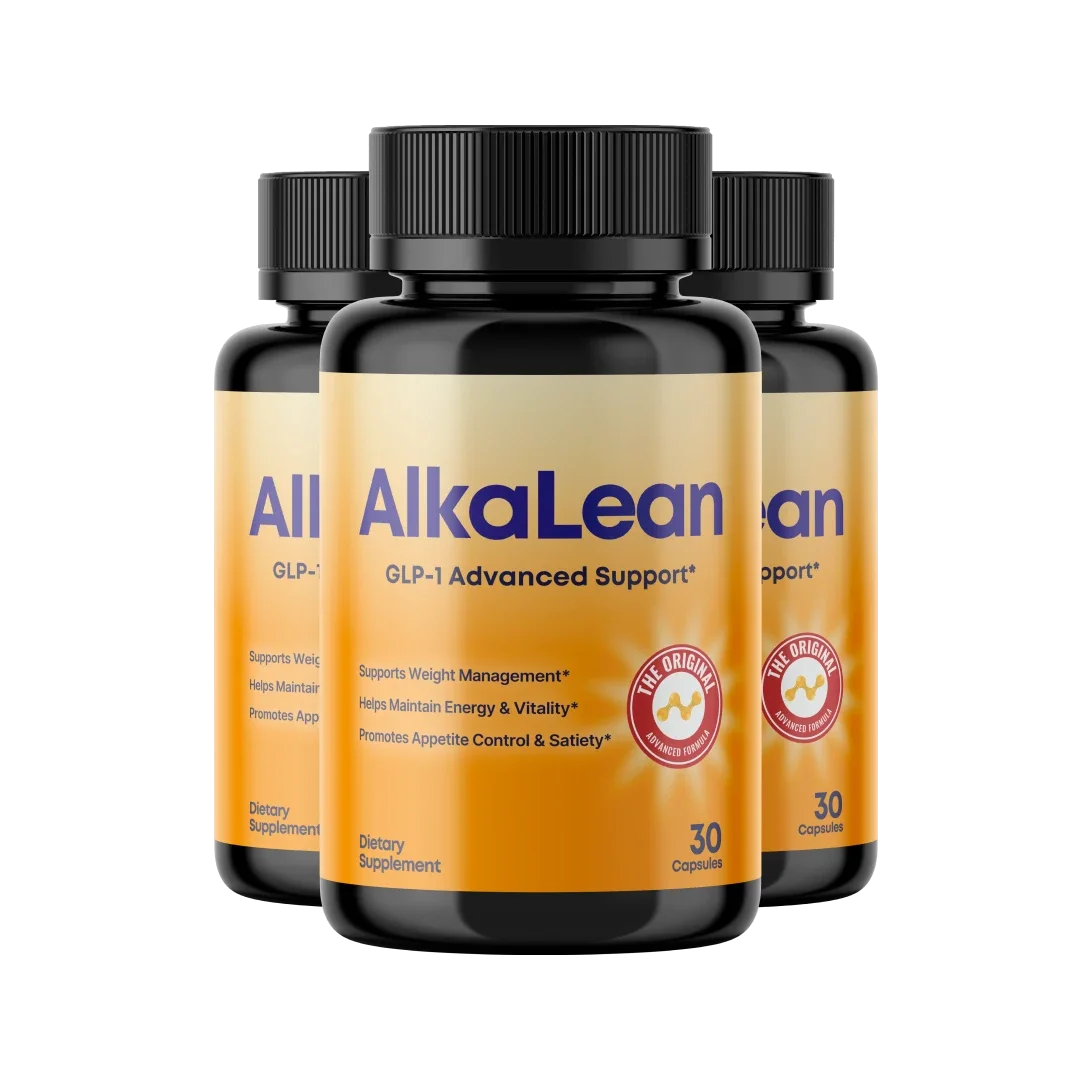
Apple cider vinegar and BHB in a once-daily, caffeine-free format built around appetite and fullness support, sold from a single bottle upward with a 60-day money-back guarantee. Pricing and supply sizes are on the official store page.
Get Offer