Apple Cider Vinegar Gummies for Weight Loss: What the Evidence Actually Shows
Do apple cider vinegar gummies work for weight loss?
The honest answer is that apple cider vinegar gummies offer weight loss support that is small and slow, not dramatic. The strongest human trial saw only about 2 to 4 pounds lost over three months, using liquid vinegar alongside a controlled diet. Gummies may nudge appetite and habit, but they do not melt fat on their own.
- The number: a 2009 trial of 175 people found roughly 2–4 lb of loss over 12 weeks.
- The catch: a 2020 review of 25 studies rated the overall weight-loss evidence as weak.
- The dose: benefits were studied at about 1 oz (30 ml) of liquid vinegar daily, more than most gummies supply.
Search any weight-loss forum and you will find someone swearing that apple cider vinegar gummies were the thing that finally moved the scale, and someone else insisting they did nothing at all. Both are probably telling the truth about their own experience. The useful question is not whether a single person lost weight while taking them, but what happens on average, how big the effect is when it shows up, and whether a chewable gummy delivers the same thing the research actually tested. That is what this piece is about, and we are going to be plain about where the evidence is thin.

What the research on apple cider vinegar and weight loss really says
The study that launched a thousand gummy brands is a 2009 Japanese trial of 175 adults with obesity. Participants were split into groups taking either a daily drink with vinegar or a vinegar-free placebo, on top of an otherwise similar diet, for twelve weeks. The groups drinking vinegar lost more weight than the placebo group — but the gap was in the range of two to four pounds over three months, along with small differences in waist measurement and triglycerides. Two to four pounds in twelve weeks is a genuine result. It is also a modest one, and it disappeared to some degree after people stopped.
Fast-forward to a 2020 review that pulled together 25 studies on vinegar and metabolic markers. The reviewers concluded that the evidence for weight loss specifically was weak: studies were small, short, varied in design, and often measured blood sugar or appetite rather than long-term fat loss. That is the honest headline. There is a plausible mechanism and a scattering of supportive trials, but nothing that would let anyone promise a number on a sales page and mean it.
The proposed mechanism is acetic acid, the compound that gives vinegar its sourness. In laboratory and small human work, acetic acid has been linked to slower stomach emptying, a blunted blood-sugar spike after a carb-heavy meal, and a mild increase in the feeling of fullness. Slower emptying and steadier blood sugar could, in theory, make it easier to eat a little less without noticing. The keyword there is a little.
The most defensible claim for apple cider vinegar is that it may make eating slightly less feel slightly easier. Everything grander than that is running ahead of the data.
Gummies versus liquid: the dose problem nobody mentions
Here is the detail the marketing tends to skip. Almost all of the research was done with liquid vinegar, at a dose of roughly one ounce — about 30 millilitres, or one to two tablespoons — per day. That is the amount that produced the modest results above. A gummy is a very different vehicle. To make it palatable, sweet and gentle on tooth enamel, the amount of concentrated acetic acid per gummy is usually far lower than what a tablespoon of liquid vinegar provides.
This matters because the effect, small as it is, appears to be dose-related. If you take a gummy that delivers a fraction of the studied dose, it is reasonable to expect a fraction of an already-small effect. Some brands respond by concentrating the formula or asking you to take two gummies; others lean on added ingredients and let the vinegar ride along as a headline. Reading the supplement facts panel — and specifically the milligrams of acetic acid or vinegar per serving — is the only way to know which kind you are holding.
What gummies do genuinely better is compliance. Liquid vinegar is harsh, tastes unpleasant to many people, and repeated undiluted sipping can erode dental enamel and irritate the throat. A gummy sidesteps all of that, which is not nothing: the supplement you actually take every day beats the one that sits in the cupboard. So the trade is real. You gain consistency and comfort, and you likely give up some potency. Whether that trade favours you depends on how much acetic acid your particular product carries.
Where AlkaLean fits into the apple cider vinegar gummy category
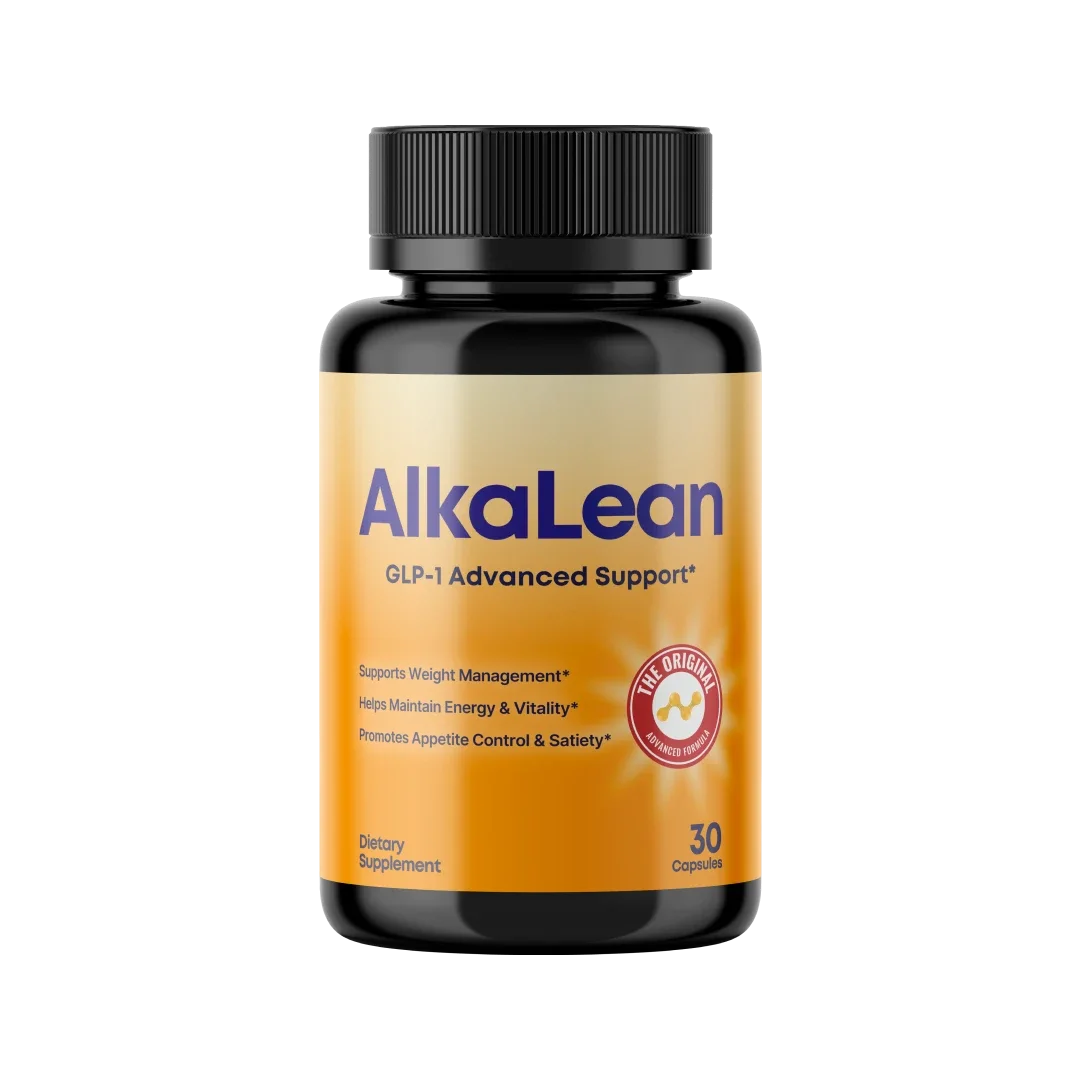
AlkaLean is built around apple cider vinegar paired with BHB salts, sold as a once-daily formula. If you are shopping this category, the honest framing is the same one we would give for any ACV product: it belongs in the supporting cast, not the lead role. It can sit alongside a sensible eating pattern and give you a small structural nudge — a daily habit, a moment of intention, possibly a touch more fullness — but the diet is still doing the heavy lifting. One documented limit worth stating: AlkaLean does not publish a milligram figure for its named ingredients, which makes it harder to compare its acetic-acid content against a study dose. We would rather you know that than not.
If you want the wider background before you decide, our overview of the benefits of ACV gummies and the evidence behind them breaks down the appetite and blood-sugar findings in more depth, and our guide to the best time of day to take ACV gummies covers whether timing around meals changes anything.

Thinking about trying AlkaLean's ACV formula?
If a daily apple cider vinegar gummy is the habit you want to test alongside your diet, the official store page has the current pricing and the 60-day money-back terms in one place.
Get OfferThree common myths about ACV gummies, addressed honestly
Myth one: they burn fat. No supplement in this category burns fat in any meaningful sense. Apple cider vinegar does not raise your metabolism to a degree you would feel, and it does not target belly fat regardless of what a before-and-after photo implies. The plausible pathway is appetite and blood sugar, which nudges intake down slightly, which over weeks can show on the scale. That is a food-behaviour effect wearing a supplement's clothes.
Myth two: more gummies mean more weight loss. This is the one that gets people into trouble. Doubling or tripling the dose does not scale the benefit up in step, but it does raise the odds of nausea, throat irritation, low potassium with very high intake, and interactions with certain medications. The studied liquid dose was about one ounce a day, and there is no signal that heroic amounts do more than that. Take the label amount and stop.
Myth three: gummies work whether or not you change your diet. Every trial that saw a benefit paired vinegar with a controlled or reduced-calorie eating pattern. None of them found that vinegar produced weight loss while people ate freely. If a gummy is the only thing changing, the most likely outcome is no change. The realistic model is: better eating does the work, and the gummy is a small, consistent tap on the same door.
How to set fair expectations if you try them
Say you decide to test apple cider vinegar gummies for weight loss anyway — a reasonable low-stakes experiment. Set the expectation that matches the data. Give it four to eight weeks, which is the window over which the studies judged results. Keep the rest of your diet as steady as you can, so that if the scale moves you can reasonably attribute it. Weigh at the same time of day under the same conditions, and look at the trend across weeks rather than the noise from one morning to the next.
Judge success by a realistic bar. If, after two months, you are down a few pounds and finding it a touch easier to stop eating when you are full, the gummy is doing roughly what the evidence says it can. If nothing has changed at all, the honest read is that it is not your missing piece, and no brand of gummy is likely to be. That is not a failure of willpower or of the product; it is simply the size of the effect being what it is.
| Claim | What the evidence supports | Realistic expectation |
|---|---|---|
| Rapid fat loss | Not supported | No; the effect is small and slow at best |
| Appetite / fullness nudge | Weak but plausible | Possible slight reduction in intake |
| Steadier post-meal blood sugar | Some short-term human data | Modest, most noticeable with carb-heavy meals |
| Total weight change | ~2–4 lb over 12 weeks (liquid, with diet) | A few pounds at most, alongside diet |
| Works without diet change | Not supported | Unlikely to do anything on its own |
The point of the table is not to talk you out of trying an appetite-support ingredient like apple cider vinegar, but to make sure you buy it for what it is. A cheap, low-risk, mildly helpful daily habit is a perfectly good thing to own. A miracle is not on the menu, and any page that sells you one is selling you the correlation, not the mechanism.
Medical note: this article is general wellness information, not medical advice, and it summarises published evidence rather than making a product claim. Dietary supplements are not drugs and are not intended to diagnose, treat, cure or prevent any disease. Apple cider vinegar can interact with certain medications, including some for diabetes and diuretics, and very high intake may lower potassium. Speak to a healthcare professional before starting any supplement, particularly if you are pregnant, nursing or taking medication.
Frequently asked questions
Do apple cider vinegar gummies help you lose weight?
Only modestly, and only as a small helper. The best-known trial, published in 2009, followed 175 people and saw about 2 to 4 pounds of loss over three months in the vinegar groups. That is real but small, it came from liquid vinegar rather than gummies, and it happened alongside diet, not instead of it. Treat gummies as a minor nudge, never as the reason the weight moves.
Are ACV gummies as effective as liquid ACV?
There is no good evidence that they are equal, because almost every study used liquid. The benefits people cite were studied at roughly one ounce, about 30 millilitres, of vinegar a day, and most gummies deliver far less acetic acid than that per serving. Gummies are gentler on teeth and easier to take, but if you are matching a study dose, a gummy usually falls short unless the label proves otherwise.
How many ACV gummies should I take a day?
Follow the label, which for most products is one to two gummies daily, and do not exceed it in the hope of faster results. The studied amount of liquid vinegar was about one ounce, 30 millilitres, per day, and taking a pile of gummies to reach that does not turn a modest effect into a large one. More acetic acid mainly means more risk of stomach upset, not more weight lost.
How long before ACV gummies show results?
In the studies where anything changed, results were judged over about four to eight weeks, and the total change was small even then. If you try apple cider vinegar gummies, give it that window while keeping the rest of your diet steady, and measure honestly. If nothing has shifted after two months of consistent use, the gummies are unlikely to be the missing piece for you.
References
- Kondo T, et al. — Vinegar intake reduces body weight, body fat mass and serum triglyceride levels (2009 trial of 175 adults)
- Launholt TL, et al. — Safety and side effects of apple vinegar intake and its effect on metabolic parameters and body weight: a systematic review (Eur J Nutr, 2020)
- NIH Office of Dietary Supplements — Dietary Supplements for Weight Loss
- Mayo Clinic — Apple cider vinegar for weight loss: does it work?
- Harvard T.H. Chan School of Public Health — The Nutrition Source: Vinegar
Related reading
- ACV gummies benefits and the evidence behind them
- The best time to take ACV gummies
- Does apple cider vinegar curb appetite? What research says
- Is AlkaLean legit? An honest review
See the current AlkaLean offer
A once-daily apple cider vinegar and BHB formula, sold from a single bottle upward, with a 60-day money-back guarantee. A small daily habit to pair with a sensible diet — not a miracle, and we will not sell it as one.
Get Offer