Over-the-Counter Weight Loss Pills, Explained Simply
Quick Answer: How Do Over-the-Counter Weight Loss Pills Work?
Over-the-counter weight loss pills are dietary supplements, not FDA-approved drugs, so they are sold without a prescription and reviewed by the FDA only after they reach the market. The good ones offer modest appetite or fullness support; the risky ones hide doses in proprietary blends and promise results with no dieting.
- Legal status: supplements, not approved drugs — no pre-market FDA sign-off.
- Biggest red flag: proprietary blends that hide how much of each active you get.
- What to check: disclosed doses, third-party testing, realistic claims, a real company behind it.
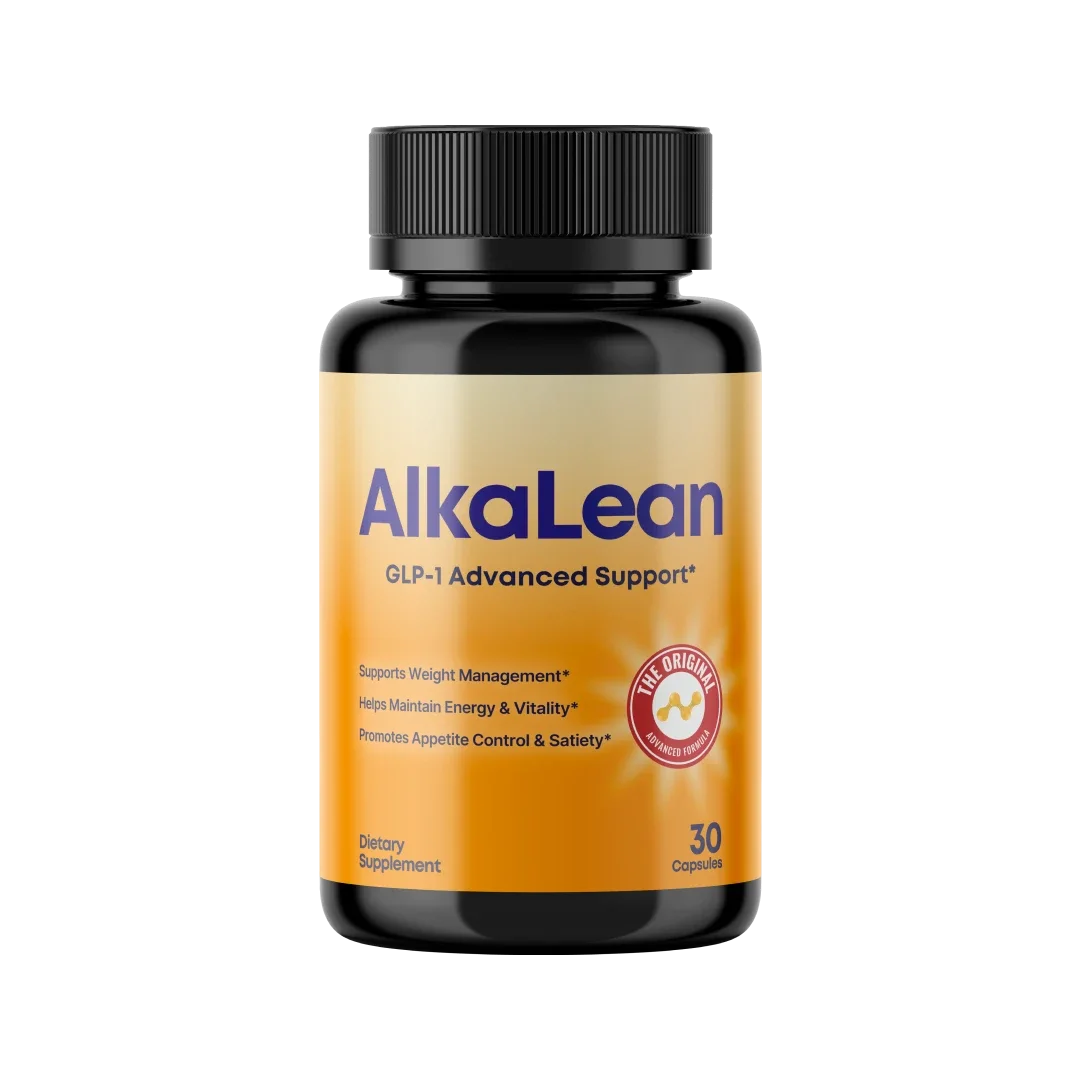
Walk any pharmacy aisle or scroll any marketplace and you will find shelves of over the counter weight loss pills, all promising to do the hard part for you. Most people buy them without understanding the single most important fact about the category: these are dietary supplements, not approved medicines, and that one distinction changes everything about how they are regulated, what they can legally claim, and how much you should trust the label. This guide explains, in plain English, how OTC diet pills actually work within the rules, the red flags that separate a reasonable product from a waste of money, and how a supplement like AlkaLean is bought without a prescription. Understand the framework and you stop being an easy mark for the hype.
What "over the counter" actually means for weight loss pills
"Over the counter" is a legal and practical status, not a quality grade. It means you can buy the product without a prescription, straight off a shelf or a website, with no pharmacist or doctor gatekeeping the purchase. For weight loss specifically, almost everything sold this way is a dietary supplement rather than an approved over-the-counter drug — a genuinely important difference. An approved OTC drug has passed FDA review for safety and effectiveness at a stated dose. A supplement has not; it lives under a different, lighter framework. So when a product is described as an "over the counter weight loss pill," read it as "a supplement you can buy freely," and calibrate your expectations and your scepticism accordingly.
Are over-the-counter weight loss pills FDA approved?
This is the question that trips up almost everyone, so let us be exact. Dietary supplements are not FDA approved. The FDA does not review or sign off on a supplement's safety or effectiveness before it goes on sale. Instead, the responsibility for a product being safe and honestly labelled sits with the manufacturer, and the FDA's role is largely reactive — it can act against a product after the fact if it turns out to be unsafe, contaminated or misbranded. There is nothing inherently sinister about this; it is simply how the supplement category is structured. But it has a hard consequence for you: any over-the-counter weight loss pill that advertises itself as "FDA approved" is either confused or misleading you, because that approval does not exist for supplements. Honest products say their facility follows good manufacturing practices, not that the pill is approved.

The proprietary blend problem
If you learn one label-reading skill from this article, make it this one. A proprietary blend is a group of ingredients listed together under a single total weight, without disclosing how much of each individual ingredient is inside. It is legal, and it is the single biggest way an over-the-counter weight loss pill can look impressive while telling you nothing. A blend might proudly list ten trendy ingredients totalling 900 milligrams — but if 850 of those milligrams are cheap filler and the active you care about is a sprinkle, you would never know. Blends exist partly to protect recipes and partly to hide under-dosing. The fix is simple: prefer products that state the amount of each key ingredient, so you can compare it against the amounts used in actual studies rather than trusting a marketing total.
A supplement label is a contract about what you are buying. When it discloses doses, you can hold it to that contract. When it hides them behind a proprietary blend, you are buying a promise, not a product.
Label red flags to walk away from
Once you know the rules, the warning signs are easy to spot. Treat these as reasons for real caution: claims that you will lose dramatic weight with no change to diet or exercise; the phrase "FDA approved" on a supplement; sensational before-and-after photos presented as typical; a proprietary blend hiding every dose; language that strays into disease territory, promising to treat or cure a condition; and no verifiable company, address, or refund policy behind the product. None of these on its own proves fraud, but each one is the maker choosing hype over disclosure. The more of them you count on a page, the faster you should close the tab. To see how we apply exactly this checklist to one product start to finish, our honest, hype-free AlkaLean review walks through the same questions.
What good OTC weight loss pills actually do
Cynicism is easy, but plenty of over-the-counter options are reasonable when you read them correctly. The credible ones work by one of a few honest mechanisms: blunting appetite, prolonging fullness after meals, adding fibre bulk, or slightly raising energy expenditure. None of these creates weight loss by itself — they make a modest calorie deficit easier to reach and hold. That is a genuinely useful job, and it sets a realistic expectation: a supportive few pounds over one to three months alongside a modest diet change, not a transformation. If you want the full comparison of which mechanisms are worth your money this year, our roundup of the best weight loss pills of 2026 ranks the categories in detail. The best-evidenced example is soluble fibre: a systematic review and meta-analysis in Foods found small but measurable effects on energy intake and perceived satiety in healthy adults (Salleh SN, et al., 2019), and NCCIH’s guidance on using dietary supplements wisely is the right frame for the rest.
Want a no-prescription option built on a plausible mechanism?
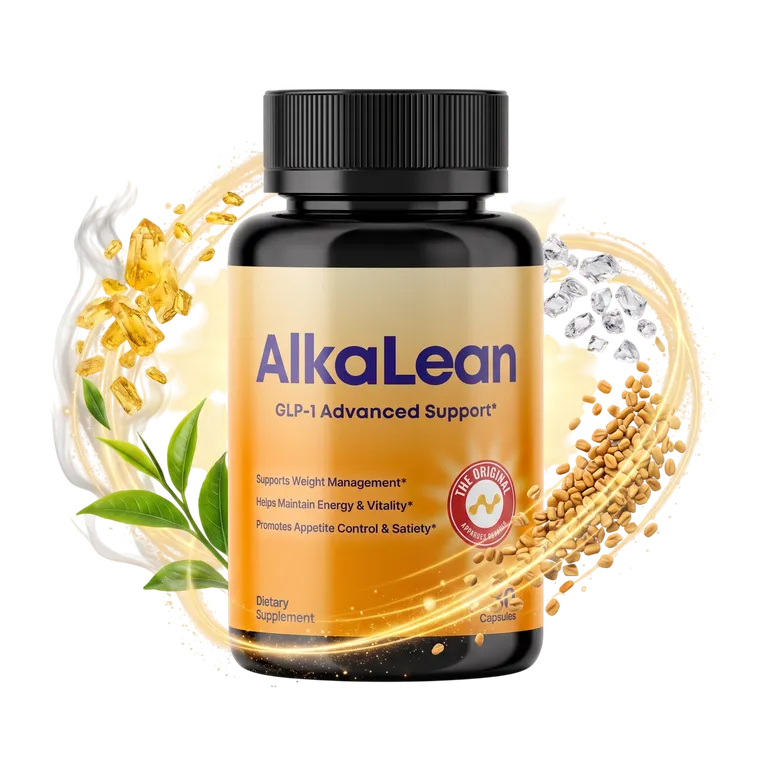
AlkaLean is an over-the-counter supplement pairing apple cider vinegar with BHB in a once-daily format, using appetite-and-fullness support language rather than drug claims. The official store page has current pricing and the 60-day money-back terms so you can trial it on your own terms.
See the AlkaLean OfferHow to vet an over-the-counter weight loss pill in five minutes
You do not need to be a scientist to filter the shelf. Run this quick checklist on any product before you buy. First, does the label disclose the amount of each key ingredient, or does it hide behind a blend? Second, is there third-party testing or a stated good manufacturing practice standard? Third, are the claims structure-function ("supports fullness") rather than disease claims ("cures obesity")? Fourth, is there a real company with contact details, an address, and a refund policy? Fifth, does the mechanism make biological sense for your actual problem? A product that passes all five is worth considering; one that fails two or more belongs back on the shelf.
| Check | Good sign | Red flag |
|---|---|---|
| Ingredient doses | Each amount listed | Hidden in a proprietary blend |
| Testing | Third-party / GMP facility | No quality information at all |
| Claims | Supports appetite / fullness | "Cures", "FDA approved", "melts fat" |
| Company | Real address & refund policy | Anonymous seller, no contact |
| Expectation set | Modest, with diet change | Results with no lifestyle change |
Objection: "if it's OTC, isn't it basically useless?"
Not useless — just modest, and honest about it. The gap between over-the-counter supplements and prescription weight-loss drugs is real: the drugs are far stronger and are reviewed and approved for effect, which is exactly why they need a prescription. But "less powerful than a drug" is not the same as "does nothing." A well-chosen OTC pill that makes it a little easier to eat less can be genuinely worthwhile for someone who wants support rather than medical intervention, cannot access or does not want the drugs, and is willing to pair it with a modest diet change. The trick is buying it for what it is — a gentle assistant — rather than for what the marketing pretends it is.
Objection: "the ingredients look impressive, isn't that enough?"
A long, exotic ingredient list is one of the easiest illusions to create and one of the least meaningful things on a label. What matters is not how many ingredients are named but how much of each is present and whether those amounts match what studies actually used. Ten trendy botanicals at trace doses will do less than one well-dosed ingredient with real evidence behind it. This is precisely why the proprietary-blend habit is so effective at selling: it lets a product list an exciting cast while hiding that most of them are extras. Read for doses, not for the length of the list. Our full AlkaLean ingredients breakdown shows what that dose-first reading looks like in practice.
Is AlkaLean available over the counter?
Yes — and it is a useful example of how the category works. AlkaLean is a dietary supplement, so it is bought over the counter without a prescription, ordered directly through its official store rather than dispensed by a pharmacist. It pairs apple cider vinegar with BHB in a once-daily, caffeine-free format and uses appetite-and-fullness support language rather than any drug or cure claim, which is exactly what the rules require of an OTC supplement. In other words, it is not "FDA approved" — nothing in this category is — and it does not pretend to be, which is a point in its favour.
Its honest limitation is the same one this whole article warns about: AlkaLean does not publish a milligram dose for every ingredient, so you cannot fully confirm from the label that each active hits its studied amount. That is a real trade-off, and applying the very checklist above, it is the box we would most like to see ticked. Whether it matters enough to skip a modest, diet-dependent effect you are going to test on yourself is a judgement only you can make — but at least now you are making it with the rules in hand rather than the marketing.
The bottom line
With over the counter weight loss pills, the framework is the whole game. They are dietary supplements, not FDA-approved drugs; they are sold without a prescription and reviewed only after they reach the market; and their honest job is to make a modest calorie deficit a little easier to hold, not to melt fat while you carry on as before. Read the label for disclosed doses, walk away from proprietary blends and cure claims, insist on a real company behind the product, and set your expectations at a supportive few pounds over a few months. Do that, and you can buy from the OTC shelf as an informed customer instead of a target — AlkaLean included.
Medical note: this article is general consumer information, not medical advice, and it explains how the supplement category is regulated rather than making a product claim. Dietary supplements are not drugs and are not intended to diagnose, treat, cure or prevent any disease, and the FDA does not approve them. Some ingredients interact with medication — speak to a healthcare professional before starting any over-the-counter weight loss product, particularly if you are pregnant, nursing or managing a health condition.
Frequently asked questions
Do over-the-counter weight loss pills work?
Some do, modestly, and only as an assistant to a modest diet and activity change. Credible over-the-counter weight loss pills work by making a calorie deficit easier to reach and hold — blunting appetite, prolonging fullness or slightly raising energy use — rather than creating a deficit on their own. Expect a realistic few pounds over one to three months, not a dramatic transformation, and be highly sceptical of any OTC pill that promises results with no change to how you eat.
Are OTC diet pills FDA approved?
No. Over-the-counter weight loss pills are sold as dietary supplements, and supplements are not FDA-approved the way prescription drugs are. The FDA does not review or approve a supplement for safety and effectiveness before it goes on sale; instead it can act after the fact if a product is unsafe or misbranded. That places the burden on you to check the label and the maker, and it is why any product claiming to be FDA approved is misrepresenting how the rules work.
How do I spot a safe OTC weight loss pill?
Look for a clear ingredient panel that lists amounts rather than hiding them inside a proprietary blend, third-party testing or a reputable manufacturing standard, realistic structure-function language instead of cure claims, and a real company with contact details and a refund policy. Treat sensational before-and-after images, no-diet-needed promises and secret formulas as red flags. When the dose is disclosed and the claims are modest, you can make an informed decision; when they are hidden, you cannot.
Is AlkaLean available over the counter?
Yes. AlkaLean is a dietary supplement, so it is bought over the counter without a prescription, ordered directly through the official store rather than dispensed by a pharmacist. It pairs apple cider vinegar with BHB in a once-daily format and uses appetite-and-fullness support language rather than drug claims. As with any OTC supplement, its main limitation is that it does not publish every ingredient dose, so weigh that against the modest, diet-dependent effect you are trialling.
References
Related reading
- Best weight loss pills 2026: reviewed and ranked
- AlkaLean side effects and safety: what to know
- Where to buy AlkaLean safely
- How much does AlkaLean cost?
See the current AlkaLean offer
An over-the-counter apple cider vinegar and BHB supplement in a once-daily, caffeine-free format built around appetite and fullness support, sold from a single bottle upward with a 60-day money-back guarantee. Pricing and supply sizes are on the official store page.
Get Offer